
Table of Contents
- Best Packing Supplies for Moving: Quick Comparison
- Essential Moving Supplies Checklist
- Packing Paper vs Bubble Wrap: Which Protects Better?
- How to Pack Fragile Items for Moving
- Specialty Boxes and Protective Materials
- Sustainable and Reusable Packing Options
- Inventory Management and Organization Systems
- Where to Buy Best Packing Supplies for Moving
Last Updated: July 7, 2026
Best Packing Supplies for Moving: Quick Comparison
Selecting the right packing supplies can mean the difference between arriving at your new home with everything intact or discovering costly damage. Improper packing accounts for a significant portion of damage claims during transit. At ProTouch Mover, we’ve helped thousands of Jacksonville residents navigate their relocations and learned that the right supplies, combined with proper technique, eliminate most moving-related damage.
This guide covers everything you need to know about best packing supplies for moving, from essential cardboard boxes and packing tape to specialty materials designed for fragile items.
| Supply Type | Best For | Key Feature | Typical Use |
|---|---|---|---|
| Corrugated Cardboard Boxes | General items, medium weight | Stackable, recyclable | 60-70% of most moves |
| Wardrobe Boxes | Clothing, hanging items | Full-height with rod | 10-15% of volume |
| Dish Packs | Plates, glassware, ceramics | Interior dividers, heavy-duty | 5-10% of volume |
| Bubble Wrap | Fragile electronics, decorative items | Air-filled cushioning | Wrapping delicate items |
| Packing Paper | Dishes, glasses, artwork | Crinkle-fill protection | Layering and wrapping |
| Moving Blankets | Furniture, large appliances | Reusable, heavy fabric | Protecting surfaces |
| Packing Tape | Sealing boxes | Heavy-duty adhesive | 2-3 rolls per box |
Essential Moving Supplies Checklist
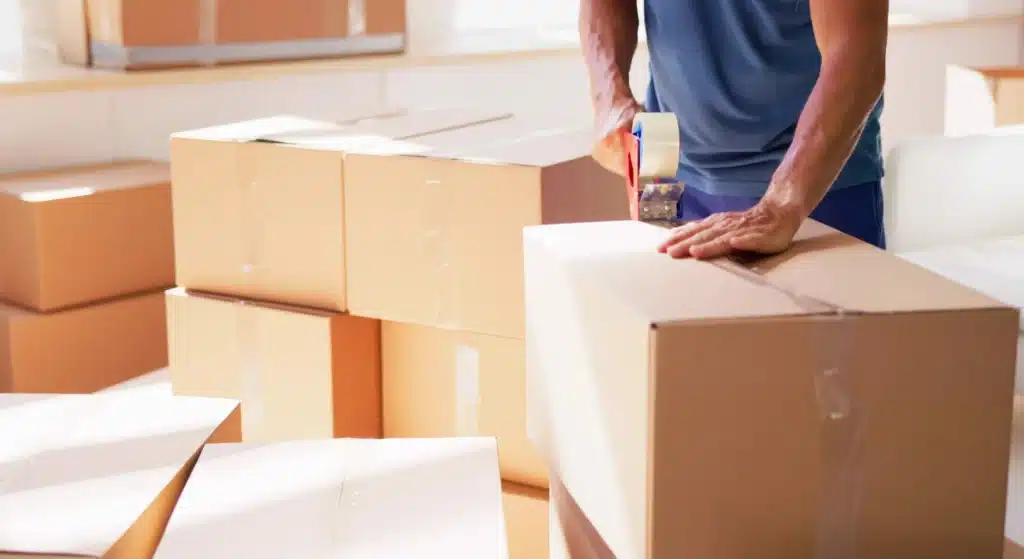
Most people underestimate how many boxes they’ll need, a typical two-bedroom apartment requires 40-50 boxes of various sizes. The critical supplies checklist includes corrugated boxes in multiple sizes (small for books, medium for general items, large for linens), heavy-duty packing tape with a dispenser, bubble wrap for fragile items, packing paper for cushioning, and permanent markers for labeling.
Beyond the basics, consider adding furniture sliders to reduce friction when moving heavy furniture across floors, preventing damage to both belongings and flooring. A utility knife makes opening boxes at your destination much safer. Stretch wrap holds furniture components together and protects upholstered pieces from dirt and moisture.
Before packing, do a walk-through of your home and identify anything requiring special handling: electronics, artwork, plants, or delicate collectibles. Setting these aside prevents them from getting packed with general items and damaged in transit.
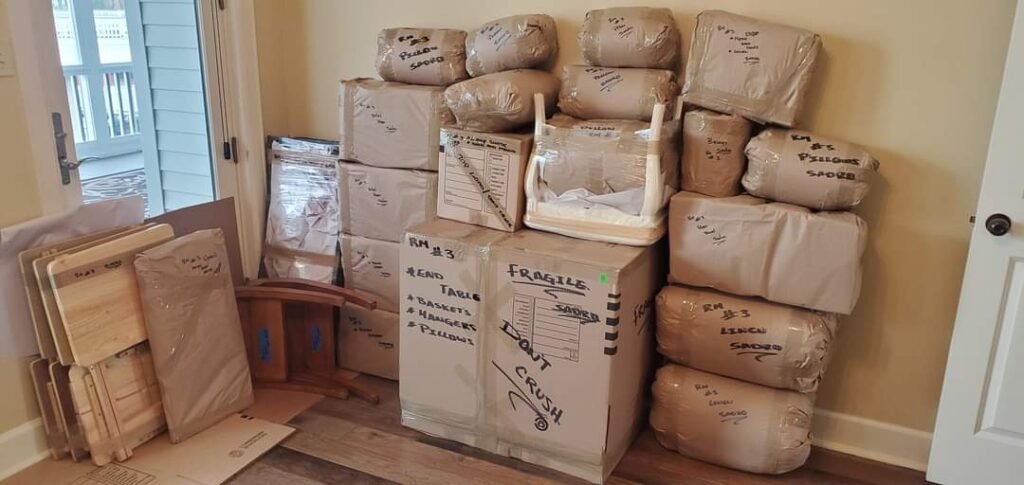
Include labels and a marker for inventory purposes. Taking 10 minutes to list box contents helps you locate items quickly at your destination and serves as documentation if anything goes missing. Color-coded tape or stickers marking boxes by room simplifies unpacking significantly.
Packing Paper vs Bubble Wrap: Which Protects Better?
Packing paper is the workhorse of moving supplies, affordable, lightweight, and effective for wrapping dishes, plates, and glassware. Bubble wrap excels at protecting irregular shapes, electronics, and high-value items where air cushioning matters most.
For everyday dishes and standard glassware, packing paper combined with newsprint creates an effective, economical solution. Wrap each item individually, then add crumpled paper between items for excellent protection at minimal cost. Bubble wrap becomes essential when packing electronics like televisions or computers, where air-filled bubbles absorb shock that paper alone cannot.
Use a hybrid approach for most moves: packing paper as your primary wrapping material for dishes and glassware, and bubble wrap for electronics, artwork, and mirrors. This strategy balances cost with protection.
Never pack heavy items in bubble wrap alone, the bubbles compress under weight and lose their protective value. Always use bubble wrap for lighter fragile items or combine it with packing paper for heavier pieces.
How to Pack Fragile Items for Moving
Start by selecting the right box, a dish pack or heavy-duty box designed for fragile items provides better protection than standard corrugated boxes. Line the bottom with 2-3 inches of packing peanuts or crumpled packing paper.
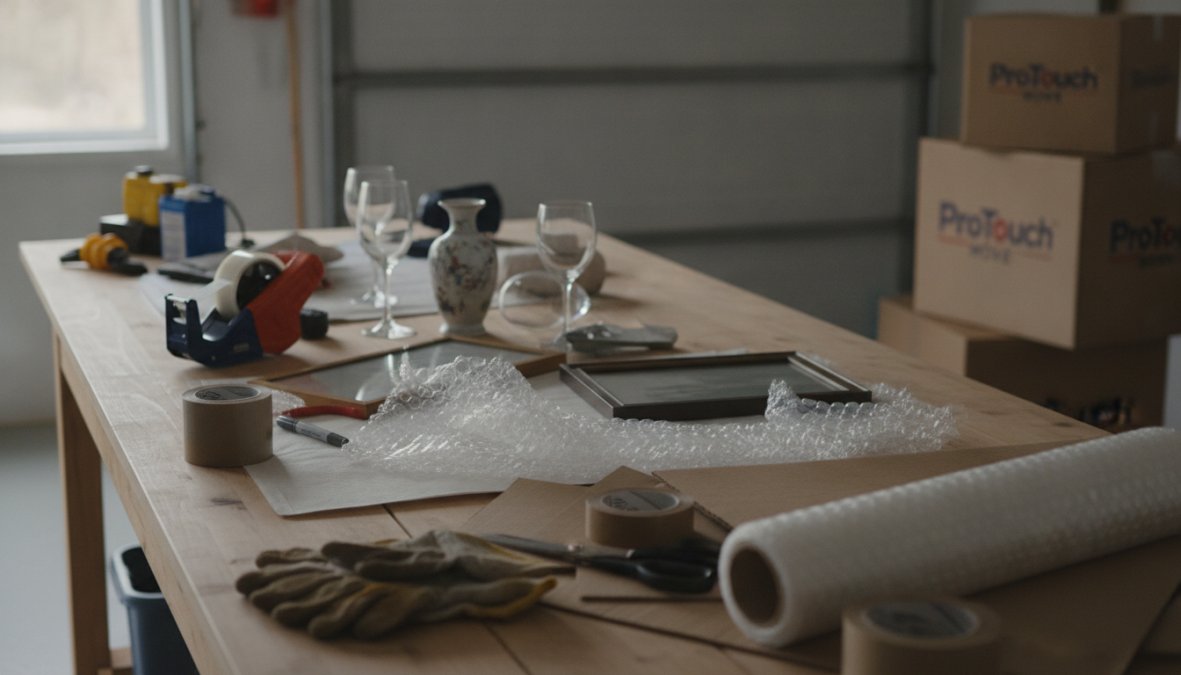
For dishes and plates, wrap each item individually in packing paper. Place wrapped items vertically in the box (like records in a filing cabinet) rather than stacking them flat. This orientation distributes pressure more evenly and reduces the likelihood of breakage. Fill gaps between items with crumpled paper to prevent shifting.
Wrap each glass individually, then wrap groups of three to four glasses together as a unit. Place them upright in the box with cushioning material surrounding them completely. Never place glasses upside down, the rim is the weakest point. Add 2-3 inches of cushioning on top before sealing.
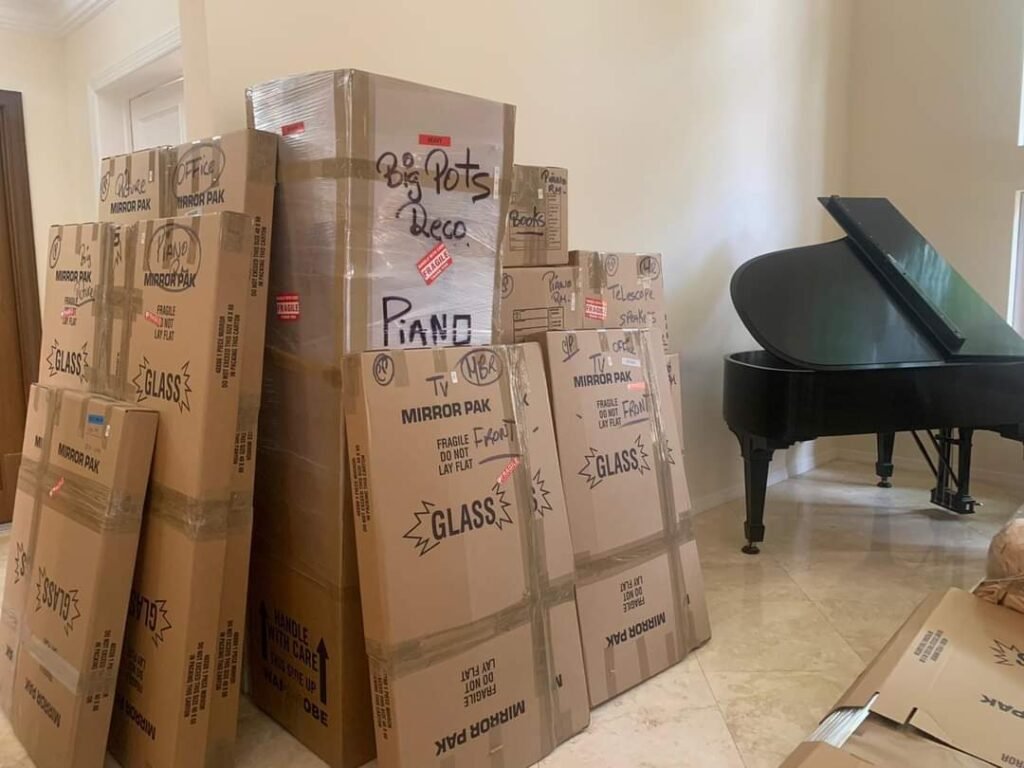
For artwork, mirrors, and framed pieces, wrap the frame in bubble wrap, then place it between two pieces of cardboard that extend beyond the frame’s dimensions. Label these boxes clearly with "FRAGILE" and "THIS SIDE UP." When loading the truck, place these boxes against a wall so they cannot slide.
Before packing electronics, photograph cable connections for reconnection at your destination. Wrap the device in bubble wrap, then place it in its original box if available. If not, use a box slightly larger than the device with at least 2 inches of cushioning on all sides. Secure moving blankets around larger electronics like refrigerators to prevent scratches.
Specialty Boxes and Protective Materials
Wardrobe Boxes, Dish Packs, and TV Boxes
Wardrobe boxes include a metal rod that allows you to transfer hanging clothes directly from your closet without removing them from hangers. A single wardrobe box holds the equivalent of 4-5 standard boxes of folded clothing. These boxes typically measure 24 inches wide by 24 inches deep by 40 inches tall.
Dish packs are engineered specifically for protecting fragile kitchenware with interior compartments that separate plates, bowls, and glasses. The heavy-duty construction withstands stacking better than standard boxes. For anyone with fine china or valuable glassware, dish packs are a worthwhile investment.
TV boxes provide specialized protection for electronics with foam inserts that cradle screens and secure internal components. For televisions over 50 inches or high-value monitors, specialty TV boxes are essential.
Moving Blankets and Furniture Sliders
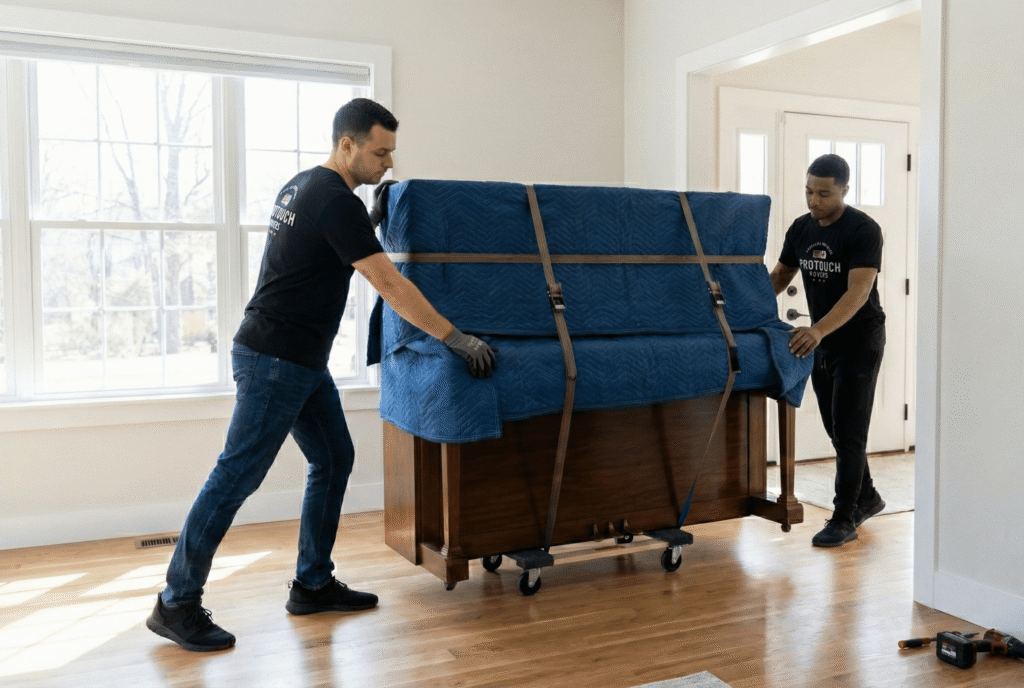
Moving blankets protect furniture from scratches and walls from damage. These heavy-duty blankets are reusable across multiple moves, making them economical despite higher upfront costs. A set typically includes 4-6 blankets and can be stored indefinitely.
Furniture sliders are small plastic discs that slide under furniture legs, dramatically reducing effort and preventing damage to both furniture and flooring. A set costs between $15-30 and pays for itself by preventing even minor floor damage.
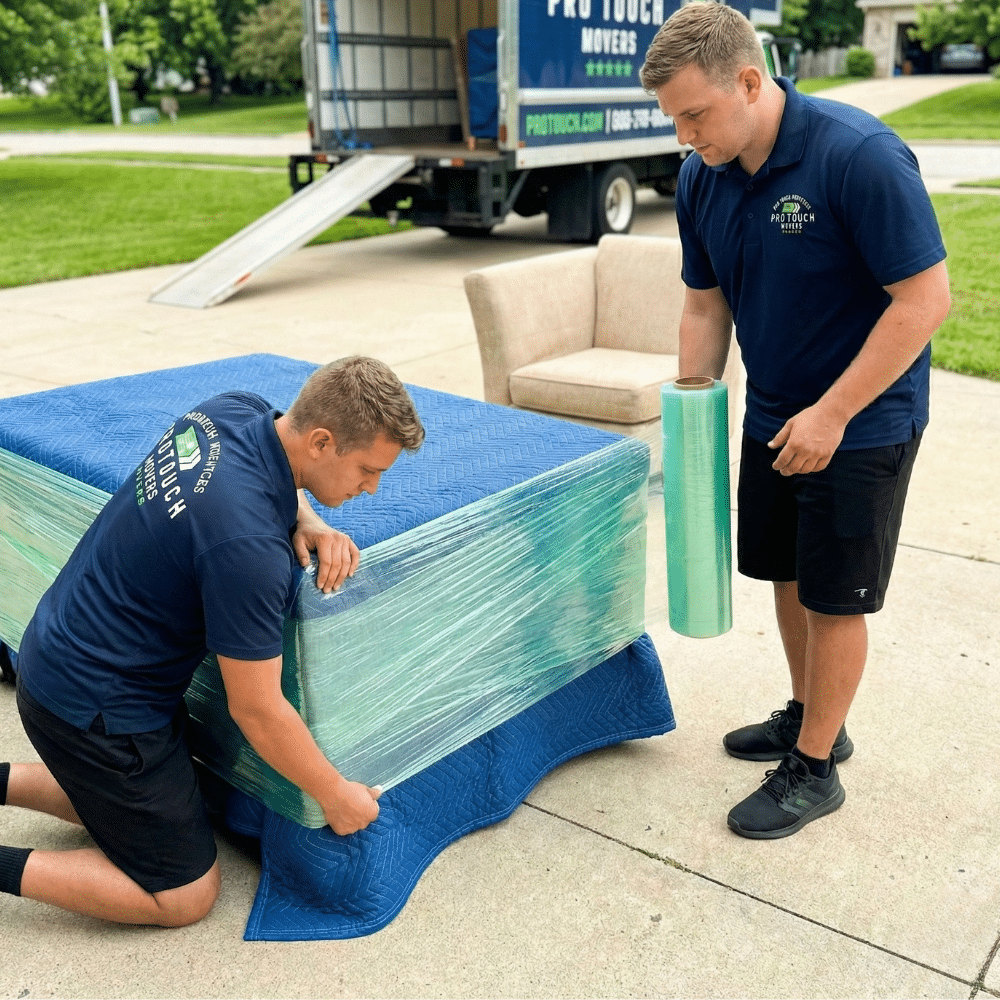
Stretch wrap and strapping materials keep furniture components together and protect upholstered pieces. Wrapping a sofa prevents dust and dirt from accumulating during transit and keeps cushions from shifting.
Sustainable and Reusable Packing Options
Many residents now choose used cardboard boxes from retail stores or services that specialize in rescuing boxes from landfills. These boxes cost 40-60% less than new boxes while providing equivalent protection.
Reusable plastic bins have emerged as a sustainable alternative to cardboard boxes. Many moving companies offer plastic bin rental services where you pay a per-bin fee, use them for your move, and return them afterward. This eliminates the need to dispose of boxes and reduces waste significantly.
For packing materials, sustainable alternatives include paper-based cushioning, biodegradable packing peanuts made from cornstarch, and recycled paper fill. Honeycomb paper wrap offers plastic-free protection that’s fully recyclable.
Choosing reusable and sustainable packing supplies reduces both your environmental footprint and long-term moving costs. Used boxes and rental bins typically cost 40-60% less than new materials while providing equivalent protection.
Inventory Management and Organization Systems
A simple spreadsheet listing box numbers, contents, destination room, and weight creates accountability and speeds up unpacking. Numbering boxes sequentially prevents the frustration of opening multiple boxes searching for specific items.
Color-coding supplies using different colored tape or stickers for each room provides visual organization during loading and unloading. Kitchen items get red tape, bedrooms get blue, bathrooms get green. This system allows movers to quickly place boxes in the correct rooms without consulting lists.
Digital inventory apps like MovingBox or Pack Rat allow you to photograph box contents, assign them to rooms, and track them throughout the move. Some apps include barcode scanning that makes checking items in at your destination much faster.
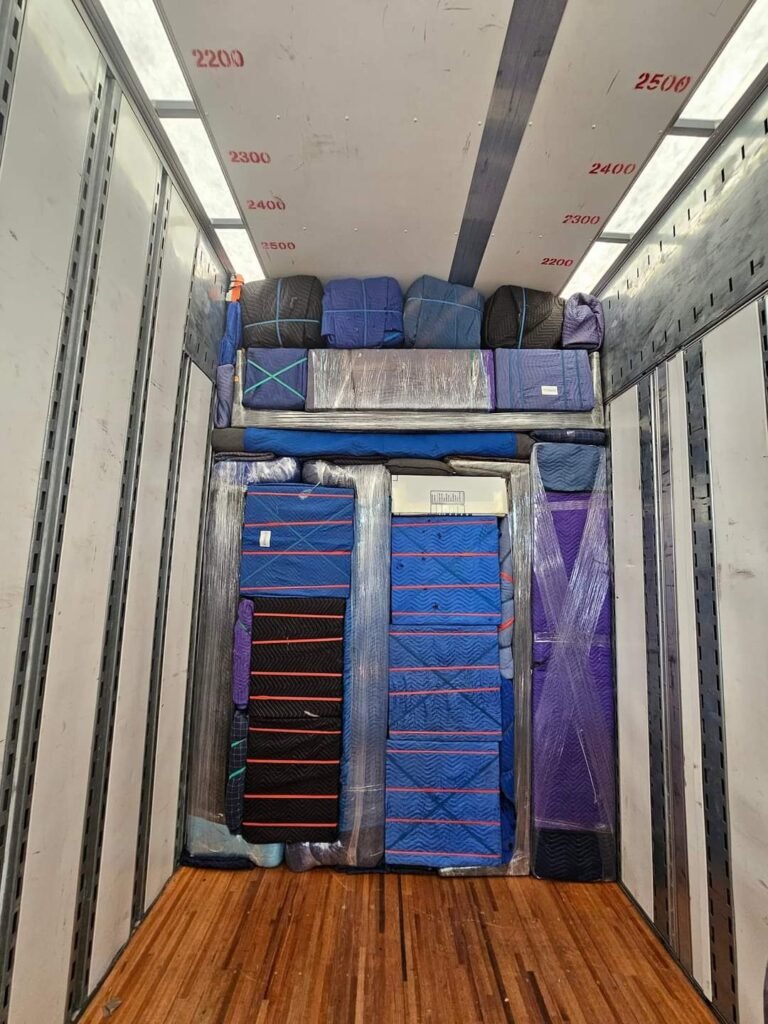
Weight distribution matters for both safety and efficiency. Marking boxes with approximate weight helps movers distribute them appropriately in the truck. Heavier boxes should go on the bottom, lighter boxes on top.
Where to Buy Best Packing Supplies for Moving
U-Haul operates the largest network of moving supply retailers with nationwide availability and online ordering with in-store pickup options. Their online supplies calculator helps estimate exact quantities needed based on your home size.
The Home Depot offers competitive pricing on corrugated boxes and packing materials with the advantage of local store locations. Their boxes feature clear ECT ratings, making it easy to select appropriate strength levels.
UsedCardboardBoxes.com rescues high-quality boxes from major retailers and resells them at significant savings. This option combines cost savings with environmental responsibility.
Professional moving companies like ProTouch Mover supply packing materials as part of their full-service offerings. When you hire professional movers, they provide all necessary supplies, ensuring consistency and quality.
According to U-Haul’s moving trends report, proper packing supplies reduce damage claims by up to 85% compared to moves using inadequate materials. Consumer Reports’ moving guide recommends purchasing supplies from established retailers with clear quality standards and return policies.
Moving with the right supplies eliminates stress and protects your belongings. Whether you’re tackling a DIY move or hiring professionals, investing in quality packing supplies delivers measurable returns through reduced damage and faster unpacking. ProTouch Mover’s full-service moving solutions include professional packing using industry-standard supplies and techniques, ensuring your items arrive safely. Get your free moving quote today and discover how expert packing protects what matters most during your relocation.
Frequently Asked Questions
What are the essential packing supplies for moving?
The core essentials include cardboard boxes in multiple sizes, heavy-duty packing tape, bubble wrap, packing paper, permanent markers for labeling, and box cutters. For fragile items, add cushioning foam or packing peanuts. Moving blankets protect furniture, while stretch wrap secures items together. For efficiency, consider a tape gun dispenser and fragile labels. ProTouch Mover's expert crews recommend assessing your inventory first to determine exact quantities needed for your specific move.
How do I choose between packing paper and bubble wrap for fragile items?
Packing paper works best for dishes, glasses, and ceramics because it's economical and allows tight wrapping without excess bulk. Bubble wrap excels at protecting items prone to impact damage, like electronics and artwork. Many movers use both: packing paper as the first layer for delicate items, then bubble wrap for additional cushioning. For maximum protection, layer them together. Newsprint is an affordable alternative to packing paper, though it can transfer ink.
Should I buy new boxes or use recycled moving boxes?
New corrugated boxes offer consistent quality and known strength ratings (ECT ratings indicate stacking capacity). Recycled boxes from services like UsedCardboardBoxes.com cost significantly less and reduce environmental impact, but quality varies by source. For heavy items or long-distance moves, new boxes provide better assurance. For local moves or lighter items, quality-inspected used boxes work well. Many movers use a hybrid approach: new boxes for fragile items, recycled boxes for books and clothing.
What packing supplies help with moving logistics and inventory management?
Use permanent markers and moving labels to clearly mark box contents, destination room, and fragile warnings. Color-coded labels or numbering systems help track inventory and prevent lost boxes. Box dividers organize items within boxes, reducing unpacking time. Stretch wrap keeps grouped items together for easier handling. Maintaining a written or digital inventory as you pack enables efficient unpacking and helps identify missing items quickly. ProTouch Mover's crews use systematic labeling to ensure nothing gets misplaced during transit.
Are specialty moving kits worth buying, or should I assemble my own?
Pre-configured moving kits like uBoxes bundles simplify planning by including boxes, tape, markers, and cushioning materials sized for specific room counts. They eliminate guesswork and often provide good value. However, they offer less flexibility if you have unusual items or storage-specific packing needs. Assembling your own supplies from retailers like U-Haul or The Home Depot gives you precise control over quantities and materials. Calculate your actual needs using online moving calculators before deciding which approach saves money for your move.
This article was written using GrandRanker