
Table of Contents
- Start the Downsizing Process Early: Why Timeline Matters
- Create a Floor Plan of Your New Assisted Living Space
- Sort Your Belongings: The Four-Box Method for Downsizing
- Managing Sentimental Items: The Emotional Side of Downsizing
- Create a Downsizing Checklist for Seniors
- How to Help Parents Move to Assisted Living
- Digital Decluttering: Don’t Forget Your Online Life
- Taking Inventory: Document What You’re Keeping
Last Updated: July 13, 2026
Moving to assisted living represents one of life’s most significant transitions. Whether you’re planning your own move or helping a parent navigate this change, the logistics can feel overwhelming. This guide from ProTouch Mover covers practical tips for downsizing to assisted living that address both the physical and emotional dimensions of the process. Research from the National Council on Aging indicates that seniors who plan their downsizing process early experience significantly less stress during the actual move. Below, we’ll show you exactly how to sort through decades of belongings, involve family members in meaningful ways, and make the transition as smooth as possible.
Start the Downsizing Process Early: Why Timeline Matters
Beginning your downsizing to assisted living well in advance is the single most important decision you can make. Most people underestimate how long this process actually takes. Starting 6-12 months before your target move date gives you breathing room to make deliberate choices rather than panicked ones.
Early planning allows you to sort through belongings methodically, research senior living communities, understand their space limitations, and adjust your expectations accordingly. A practical timeline looks like this: begin with initial planning and research three months before your move, start the sorting process two months out, and complete the major purging one month before moving day.
Set a specific move-in date early and work backward. Knowing your deadline creates natural checkpoints and keeps momentum going. Share this timeline with family members so everyone understands the process.
Create a Floor Plan of Your New Assisted Living Space
Understanding the physical layout of your new space fundamentally changes how you approach downsizing to assisted living. Before you sort a single item, visit your new residence and measure every room. Bring a notebook and camera, document the dimensions of bedrooms, closets, kitchen space, and storage areas.
Create a simple floor plan sketch or use graph paper to scale out furniture placement. This visual reference becomes your decision-making tool. Most assisted living apartments range from 400 to 700 square feet, roughly one-third the size of an average home. This reality check helps you understand that choices are necessary.
Photograph the walls, lighting, and existing fixtures in your new space. These details matter when deciding what furniture and décor to bring. A large bookcase might overwhelm a small bedroom. Dark furniture might clash with the existing paint color.
Your floor plan is your anchor throughout the entire downsizing process. Reference it constantly when making decisions about furniture and belongings.
Sort Your Belongings: The Four-Box Method for Downsizing
The Four-Box Method is the most effective sorting system for managing the emotional and practical dimensions of downsizing. This approach, widely used by senior move managers, forces clear decision-making by creating distinct categories for every item you encounter.

Set up four physical boxes or bins in your workspace. Label them clearly: Keep, Donate, Sell, and Discard. As you go through each room, every single item goes into one of these four categories.
Keep: What Matters Most
The Keep box contains items that serve a genuine purpose in your new life. Furniture that fits your floor plan, clothing you wear regularly, books you reread, and family heirlooms that bring you joy all belong here. Be honest about functionality, that bread maker you haven’t used in five years goes in Donate or Sell, not Keep.
Sentimental items deserve special consideration. Photographs, letters, jewelry, and mementos with genuine emotional significance absolutely belong in your new space. However, keep the quantity reasonable: one photo album instead of twelve, a few meaningful pieces of jewelry instead of entire collections.
Donate, Sell, and Discard: Letting Go Strategically
The Donate box holds items in good condition that you no longer need. Local charities, senior centers, and community organizations often welcome donations from people downsizing to assisted living.
The Sell box contains items with genuine resale value. Quality furniture, electronics, and collectibles can generate funds for your move. Online marketplaces, estate sale companies, and local consignment shops provide options for converting items into cash.
The Discard box is for items that are broken, worn out, or simply not usable. Discard them responsibly through appropriate waste management or recycling services.
| Category | Best For | Timeline | Action |
|---|---|---|---|
| Keep | Items you use/love that fit your space | Ongoing | Pack carefully for move |
| Donate | Good condition items you don’t need | Weeks 2-6 | Contact charities, schedule pickup |
| Sell | Items with resale value | Weeks 2-8 | List online or contact estate sale company |
| Discard | Broken or unusable items | Ongoing | Arrange appropriate disposal |
Managing Sentimental Items: The Emotional Side of Downsizing
Downsizing to assisted living becomes more than logistics, it becomes emotional work. Your belongings tell the story of your life. Letting them go can feel like erasing those chapters. Recognizing this emotional dimension is the first step toward managing it effectively.
A practical approach is photographing sentimental items before letting them go. Create a digital album of your china pattern, your child’s trophies, or furniture you’re releasing. This preserves the memory without requiring physical storage.
Consider passing items to family members who might treasure them. Your grandchild might love having your china set someday. Your adult children might appreciate keeping certain family pieces. This approach honors both the items and your relationships.
Avoid keeping items “for the kids” if they’ve explicitly said they don’t want them. This creates storage burden [for you](/blog/do-movers-pack-for-you-whats-included/) based on guilt rather than actual family value. Have direct conversations about what family members genuinely want to keep.
For truly irreplaceable items, scan documents, organize photos digitally, and consider creating a small memory box with your most precious items. This concentrates sentimental value into a manageable space.
Create a Downsizing Checklist for Seniors
A structured checklist transforms downsizing from an overwhelming maze into a series of manageable steps.
Pre-Downsizing Phase (3 months before move):
- Schedule visit to your new assisted living space and measure all rooms
- Create floor plan of new residence
- Research local donation centers, consignment shops, and estate sale companies
- Discuss moving plans with family members
- Contact ProTouch Mover for a free moving quote and timeline estimate
- Begin photographing valuable items for insurance purposes
Active Sorting Phase (2 months before move):
- Set up your Four-Box sorting system
- Start with one room at a time
- Sort through clothing and donate/discard items you don’t wear
- Go through kitchen items and keep only what you actually use
- List valuable items online or contact estate sale company
- Schedule donation pickups for completed Donate boxes
- Take photos of sentimental items before letting them go
Final Preparation Phase (1 month before move):
- Complete sorting of all rooms
- Finalize what will move with you to assisted living
- Arrange final pickup for remaining donations
- Confirm moving date and details with ProTouch Mover
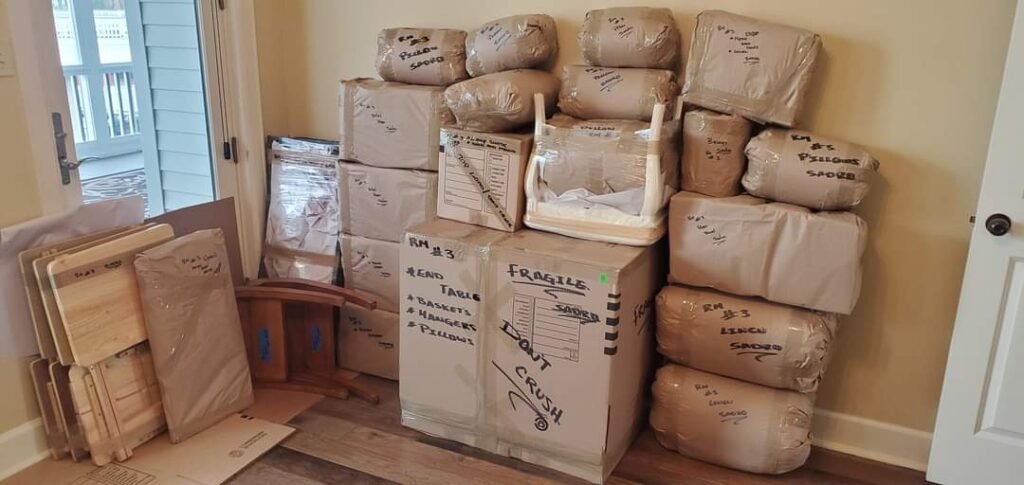
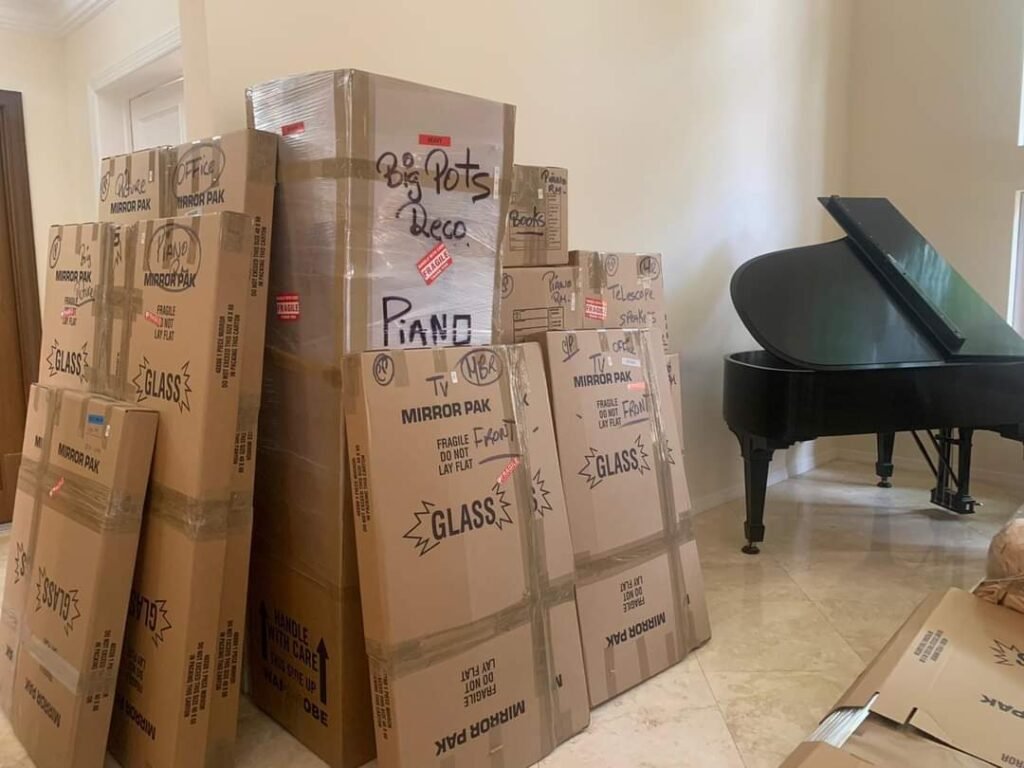
- Pack Keep items carefully, labeling boxes by room
- Discard remaining unusable items
- Do final walkthrough of old residence
How to Help Parents Move to Assisted Living
Supporting a parent through this transition requires emotional intelligence, practical planning, and clear communication. Your role is to provide structure and support without taking over decisions that belong to your parent.
Involve Family Members and Caregivers Early
Family involvement strengthens the entire process. When multiple family members understand the plan and contribute to decisions, the burden doesn’t fall on one person. Start conversations early and approach them with sensitivity. Frame the discussion around your parent’s needs and preferences: "What matters most to you in this new space?" "Which items bring you joy?"
Assign specific responsibilities to different family members. One person might coordinate donations, another might research assisted living communities, another might help with sorting. Include your parent’s primary caregivers in these conversations if applicable. They often have valuable insights about what your parent actually needs and uses.
Communicate regularly throughout the process. Weekly check-ins prevent misunderstandings and allow you to address concerns before they become major issues.
When to Hire a Senior Move Manager or Professional Organizer
Senior move managers are professionals trained specifically in helping older adults navigate downsizing and relocation. They understand the emotional dimensions of the process and have experience managing large-scale sorting projects.
Consider hiring professional help if your parent has significant difficulty letting go, family members disagree about items, the volume of belongings is too large to manage alone, or you live far away and cannot be present for the sorting process.
Interview senior move managers before hiring. Ask about their experience with downsizing to assisted living specifically, and request references from families they’ve worked with.
Digital Decluttering: Don’t Forget Your Online Life
Downsizing to assisted living often focuses on physical belongings, but your digital life deserves equal attention. Email accounts, online subscriptions, digital photos, and financial accounts need to be organized and potentially transferred or closed.
Start by listing all your online accounts and subscriptions. Many people discover they’re paying for services they forgot about. Close or consolidate email accounts. Organize your digital photos into folders by year or event. Review your financial accounts and cancel services you’re not using. Update your primary contact information, emergency contacts, and beneficiaries.
Create a master document listing your important accounts, passwords, and contact information. Store this securely and share it with a trusted family member. This ensures that if something happens to you, your family can access critical information.
Taking Inventory: Document What You’re Keeping
Creating a detailed inventory of items you’re moving serves multiple purposes. It protects your belongings through documentation, helps your moving company plan logistics, and gives you a record of what you own for insurance purposes.
Use a simple spreadsheet or notebook to list items room by room. For valuable items, include descriptions and approximate values. Take photos of furniture and valuable belongings. Your inventory also helps ProTouch Mover understand the scope of your move and provide accurate quotes.
Share your inventory with family members. This transparency prevents disagreements about what’s being moved and ensures everyone understands the final decision about your belongings.
Downsizing to assisted living is challenging work that requires planning, emotional resilience, and practical decision-making. The process becomes manageable when you start early, involve family members, and use proven systems like the Four-Box Method. ProTouch Mover specializes in coordinating moves for seniors transitioning to assisted living, handling everything from careful packing to specialized transport of valuable items. Our expert crews understand the sensitivity of these moves and work with the same care you’d show your own family. Get your free moving quote today and let our team help make your transition to assisted living seamless and stress-free.
Frequently Asked Questions
How far in advance should you start downsizing for assisted living?
Start at least 3-6 months before your move to assisted living. This timeline allows you to thoughtfully sort through decades of belongings without rushing. A longer timeline reduces stress and gives you time to donate items, hold an estate sale, or sell valuables. If you're moving to a senior living community with specific space requirements, starting early ensures you can measure your new floor plan and plan what fits.
What is the four-box method for downsizing?
The four-box method is a simple decluttering system: label four boxes as Keep, Donate, Sell, and Discard. Go through each room and sort items into these categories. Keep only items that serve a purpose, bring joy, or have genuine sentimental value in your new assisted living space. This method removes decision fatigue and creates a clear path forward for everything you own.
How do you handle sentimental items when downsizing to assisted living?
Take photos of sentimental items you can't keep, then create a digital album. For truly meaningful pieces, keep a few select items that fit your new space. Consider giving heirlooms to family members who want them. You don't need to keep everything to honor memories, photographs, journals, and a curated collection of favorites are often more meaningful than storing boxes of unused items.
Should you hire a senior move manager to help with downsizing?
A senior move manager or professional organizer can be invaluable if you feel overwhelmed, have mobility limitations, or need emotional support during the process. They help create floor plans, manage the four-box method, coordinate with moving companies, and handle logistics. While this is an additional cost, many families find the stress reduction and efficiency worth the investment, especially for complex moves to retirement communities.
What should you include in a downsizing checklist for seniors?
A downsizing checklist should include: measuring your new space and creating a floor plan, sorting items by the four-box method, taking inventory of keepsakes, notifying utility companies and updating your address, digitizing important documents, scheduling a moving company, and planning for post-move setup. Include timelines for each task, starting 6 months out helps prevent last-minute stress when transitioning to assisted living.
How do you help a parent move to assisted living?
Involve your parent early in planning and decision-making to maintain their independence and dignity. Attend facility tours together, help measure the new space, and involve them in sorting decisions whenever possible. Be patient with emotional resistance, validate their feelings, and consider hiring a senior move manager if family dynamics are strained. Clear communication and involving caregivers from the start ensures a smoother transition to their new independent living or memory care community.
What items does assisted living typically provide?
Most assisted living communities provide basic furniture (bed, dresser), kitchen appliances, and utilities. Some include housekeeping services and basic décor. Check your specific facility's policies, this affects what you need to bring. Knowing what's provided helps you create an accurate downsizing checklist and floor plan, so you don't duplicate items or bring things that won't fit in your new senior living space.
This article was written using GrandRanker