
Table of Contents
- Local Movers vs Rental Truck: Cost Comparison Overview
- Moving Truck Rental Cost Breakdown
- Hidden Fees in Moving Truck Rental
- Full-Service Movers vs DIY Moving Costs
- U-Haul vs Professional Movers Cost Comparison
- Moving Cost Calculator: Local vs Rental Truck
- Physical Labor and Injury Risk Assessment
- Factors Affecting Moving Costs: Rental Truck vs Local Movers
Last Updated: July 26, 2026
Local Movers vs Rental Truck: Cost Comparison Overview
When planning a move, the decision between hiring local movers and renting a truck often comes down to cost. The answer isn’t straightforward, comparing base prices alone misses hidden fees that surprise people on moving day. At ProTouch Mover, we’ve helped hundreds of families and businesses navigate this decision by breaking down true costs, including fuel, mileage, insurance, and equipment charges.
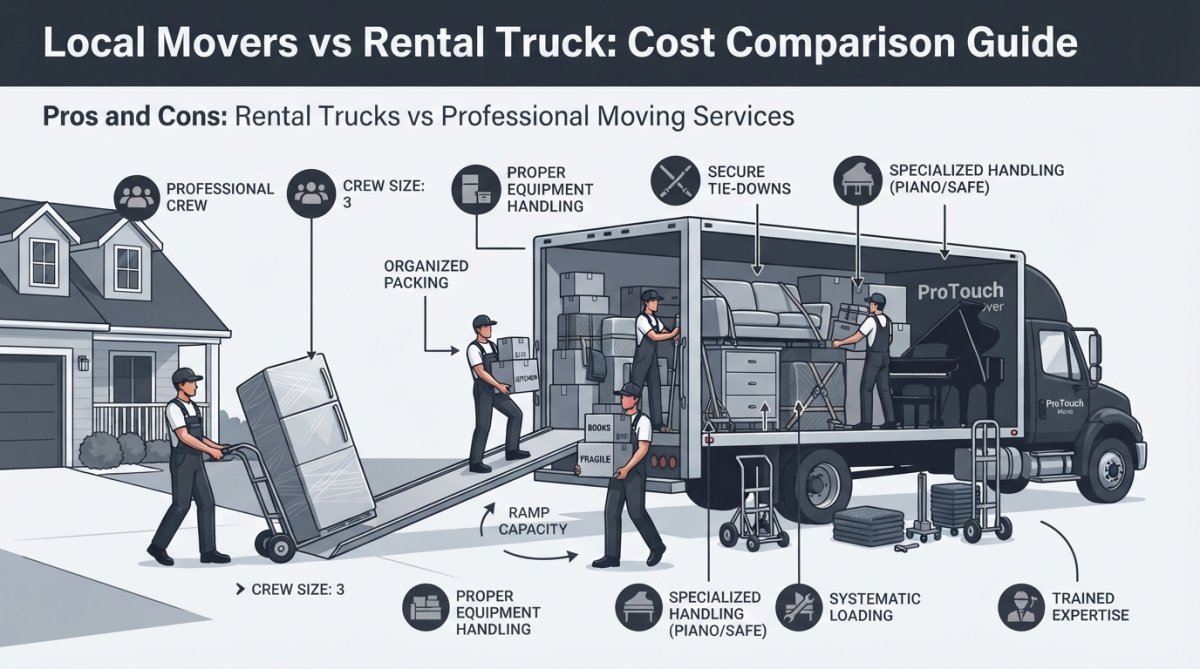
The real cost of a DIY move extends far beyond the daily rental rate. Professional movers bundle labor, equipment, and liability protection into a single quoted price. Neither option is universally cheaper; the winner depends on distance, timing, load size, and whether you’re willing to do the heavy lifting yourself.
Quick Cost Comparison Table
| Factor | Rental Truck | Professional Movers |
|---|---|---|
| Base cost (local move) | $30-$150/day | $800-$3,000 (typical) |
| Mileage/distance fees | Yes, per mile | Usually included (local) |
| Fuel costs | You pay | Usually included |
| Equipment rental | Extra charge | Included |
| Labor (your time) | Free, but physically demanding | Included in quote |
| Insurance/liability | Optional add-on | Included |
| Setup time | 30-60 minutes | Minimal prep needed |
| Risk of damage | You’re liable | Company insured |
Moving Truck Rental Cost Breakdown
Renting a moving truck appears affordable initially. U-Haul advertises starting rates around $19.95 per day for local moves, while Penske and Budget offer $80-$150 depending on truck size. But that advertised rate is only the beginning.
Base Rental Rate and Mileage Fees
The daily rental rate covers one calendar day plus per-mile charges. U-Haul typically charges $0.99 to $1.29 per mile, Penske charges $0.89 to $1.09 per mile, and Budget averages $0.79 to $1.19 per mile. A 30-mile round trip in a 14-foot box truck means roughly $30-$40 in mileage alone on top of the daily rental.
One-way rentals use different pricing. Penske offers unlimited mileage on one-way rentals, making them attractive for interstate moves. U-Haul and Budget charge per mile beyond thresholds, so a 500-mile one-way move costs significantly more than the base rate suggests.
Fuel, Insurance, and Equipment Add-Ons
Fuel is your responsibility. A 14-foot truck uses 4-6 gallons per 100 miles; a 26-foot truck uses 6-8 gallons per 100 miles. On a 200-mile move, expect 12-16 gallons at current fuel prices.
Insurance is optional but recommended. Damage waivers ($15-$30 per day) protect you from liability if the truck is damaged. Without coverage, you’re personally responsible for any damage. Verify whether your personal auto insurance extends to rental trucks, most don’t.
Equipment add-ons (furniture pads, dollies, hand trucks, ramps) cost $5-$15 each. Many renters discover mid-move they need equipment they didn’t reserve, forcing expensive last-minute purchases.
Hidden Fees in Moving Truck Rental
Late return fees start at $40-$50 per hour after your rental period ends. Fuel surcharges apply if you don’t return the truck with a full tank, rental companies charge $5-$7 per gallon versus $3-$4 at a gas station. Cleaning fees of $75-$150 are common if the truck is deemed unclean. Additional equipment like car carriers or tow dollies adds $50-$100.
Full-Service Movers vs DIY Moving Costs
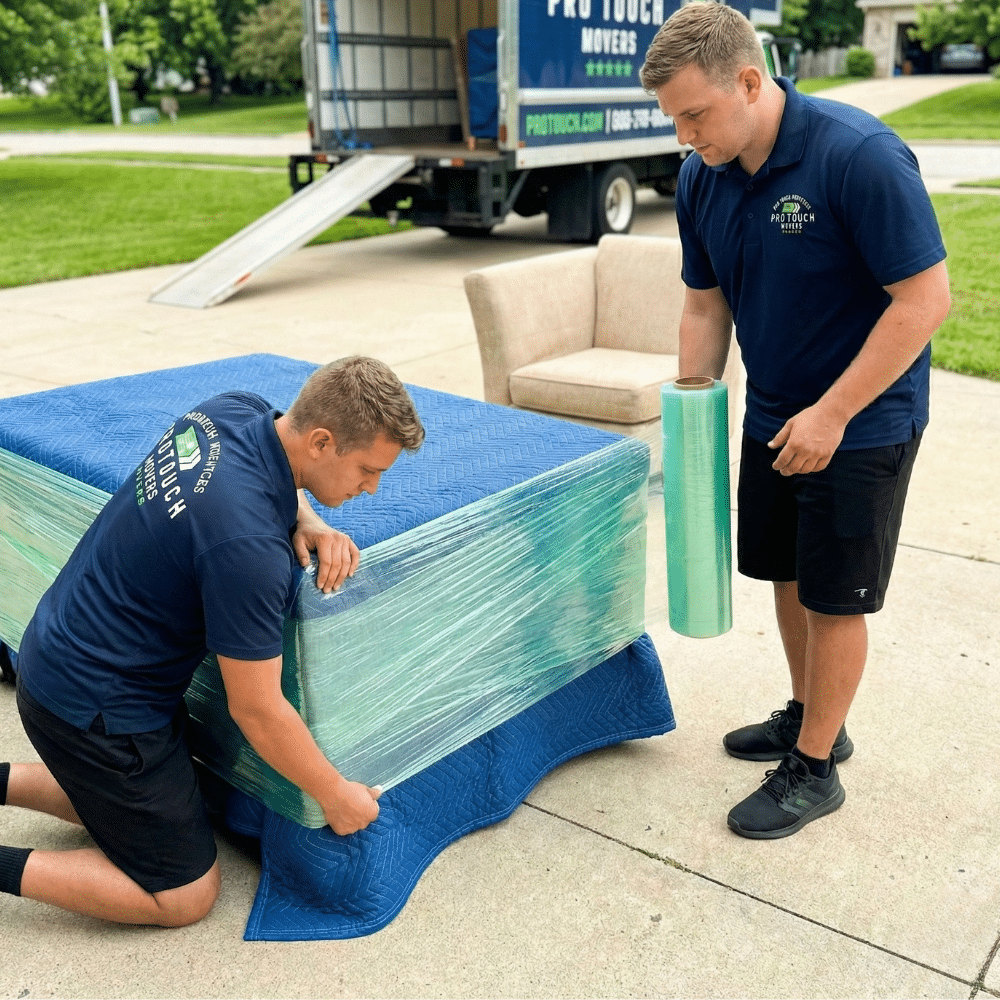
Professional movers quote based on weight (long-distance) or hourly labor rates (local moves). A typical local move costs $800-$2,500 depending on volume and distance. Full-service movers handle packing, loading, transport, unloading, and unpacking. They carry liability insurance, so damage to your furniture is their responsibility.
The disadvantage is cost, full-service movers are more expensive than rental trucks for small, local moves. If you’re moving one bedroom three miles across town, a professional mover likely costs more than renting a truck yourself.
Professional Moving Service Pricing Model
Local moves are priced by hourly crew rates ($100-$200 per hour for two people) plus a truck fee ($50-$100). A three-hour move might cost $400-$700.
Long-distance moves charge per pound, typically $3-$10 per pound depending on distance and season. A 5,000-pound move over 1,000 miles might cost $15,000-$50,000, including packing materials, labor, insurance, and fuel.
Many movers offer binding estimates based on in-home surveys, meaning your final bill won’t exceed the quote. Non-binding estimates are lower but can increase if you add items or actual weight exceeds projections.
Labor-Only Movers as a Middle Ground
Labor-only movers bridge the gap between DIY and full-service. You rent the truck, but the crew handles packing, loading, and unloading. Rates run $50-$100 per person per hour, with most local moves taking 3-6 hours. A four-hour move with three laborers costs $600-$1,200 for labor plus $50-$100 for truck rental and fuel, totaling $750-$1,400, competitive with full-service movers for small, local moves.
U-Haul vs Professional Movers Cost Comparison
U-Haul dominates the DIY rental market with low advertised rates. However, comparing U-Haul’s base price to a professional mover’s quote is misleading because U-Haul’s price excludes fuel, mileage, insurance, and your labor.
For a 15-mile local move of a two-bedroom apartment, U-Haul might quote $40 for a 14-foot truck plus $15-$20 in mileage, totaling roughly $60. Add fuel ($20-$30), a damage waiver ($20), and equipment rentals ($15), and you’re at $115-$145 before accounting for your time.
A professional mover for the same move would cost $400-$600. U-Haul is cheaper, but you’re doing all the work yourself and assuming all liability risk.
Where U-Haul becomes competitive is on one-way, long-distance moves. A 500-mile one-way move might cost $200-$400 in rental fees plus fuel, totaling $400-$700. A full-service mover for the same distance could cost $3,000-$8,000.
Moving Cost Calculator: Local vs Rental Truck
Calculate the actual costs of a rental truck move:
Rental Truck Total Cost:
- Base rental fee: $X per day
- Mileage fees: (miles × per-mile rate) = $X
- Fuel: (gallons needed × current price per gallon) = $X
- Damage waiver insurance: $X
- Equipment rentals: $X
- Potential late fees or cleaning fees: $X
- Total: $X
Compare this to a professional mover’s quote. If the rental truck total is within 20% of the mover’s quote, the mover is likely better because you’re paying for convenience, liability protection, and reduced physical risk.
Key Variables That Affect Your Final Price
Distance is the primary cost driver. A five-mile move is much cheaper than a 50-mile move with either approach. Rental trucks charge per mile, while movers charge by time or weight, but both scale with distance.
Timing matters significantly. Moving during peak season (May-September) increases both rental truck costs and mover pricing. Moving mid-week or mid-month is cheaper than weekends or month-end.
Load size determines truck size and, for movers, total weight. A studio requires a 10-12-foot truck, while a three-bedroom house needs a 20-26-foot truck. Larger trucks cost more to rent and consume more fuel.
Complexity affects labor time. Moves requiring furniture assembly/disassembly, navigation of stairs, or handling of fragile items take longer and cost more.
Insurance and Liability Breakdown
With a rental truck, you’re personally liable for damage to your belongings. Professional movers carry liability insurance covering damage (typically $0.30-$2.00 per pound). For a 5,000-pound move, that’s $1,500-$10,000 in coverage. Some movers offer "full-value protection" for an extra 1-3% of total cost, covering replacement value rather than depreciated value.
Physical Labor and Injury Risk Assessment
Moving is physically demanding. DIY moves result in thousands of emergency room visits annually for back injuries, strains, and falls. These injuries can cost thousands in medical bills and weeks of lost productivity.
Professional movers are trained in proper lifting techniques and carry workers’ compensation insurance. If you’re over 40, have back problems, or are moving heavy items, the injury risk of a DIY move is significant. A single back injury, emergency room visit, and physical therapy can easily exceed professional mover costs.
Factors Affecting Moving Costs: Rental Truck vs Local Movers
Distance, Timing, and Seasonal Pricing
Local moves (under 50 miles) favor DIY rental trucks because mileage fees are modest. A three-hour local move with a mover might cost $400-$600, while a rental truck might total $150-$250.
Long-distance moves (over 500 miles) favor professional movers. A 1,000-mile move in a 26-foot truck could cost $1,500-$2,500 in fuel and mileage alone, plus rental fees. Professional movers’ one-way rates might be $2,000-$4,000, including labor, packing, and liability insurance.
Summer moves cost 20-40% more than winter moves for professional movers. Moving November through March is significantly cheaper.
Truck Size, Load Weight, and Specialty Items
Truck size directly impacts rental cost. A 10-foot truck costs $30-$50 per day, while a 26-foot truck costs $80-$150 per day. Choosing the right size is critical, too small means multiple trips and additional mileage charges.
For professional movers, load weight is the primary cost driver on long-distance moves. Downsizing before a move can reduce costs significantly.
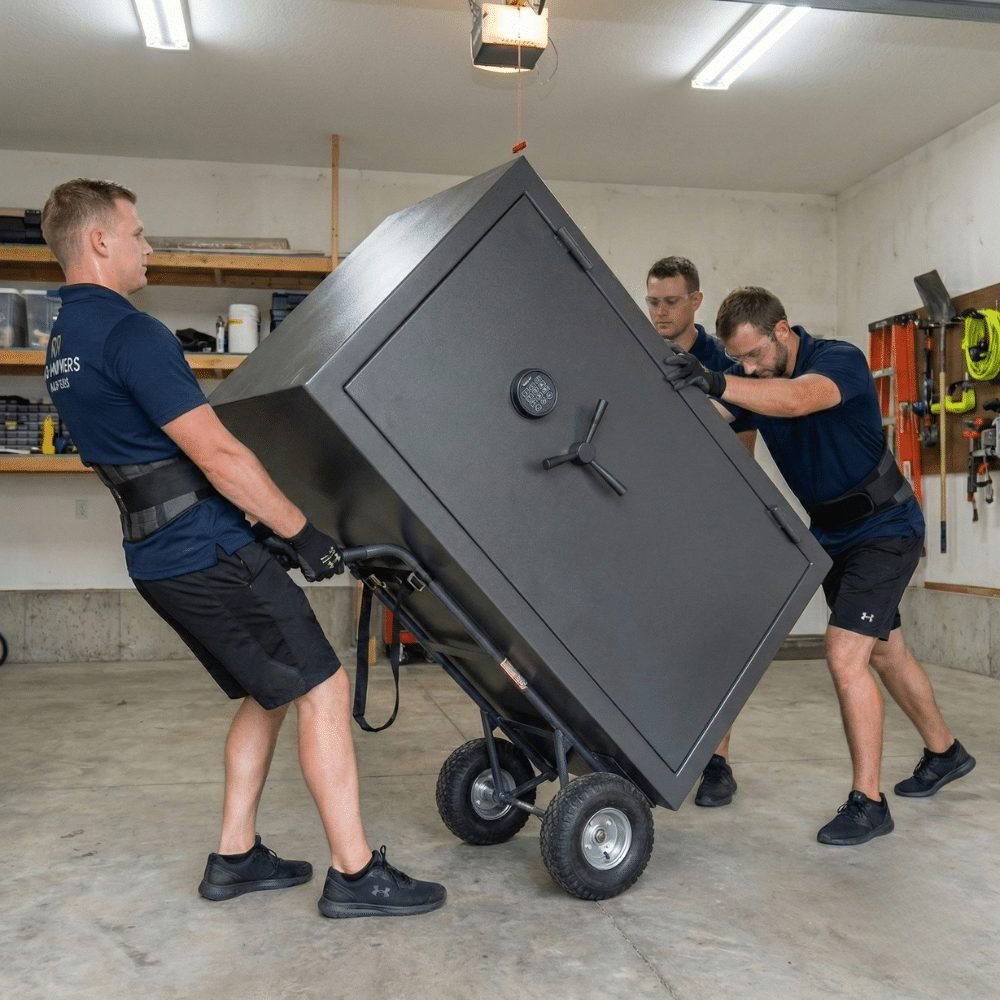
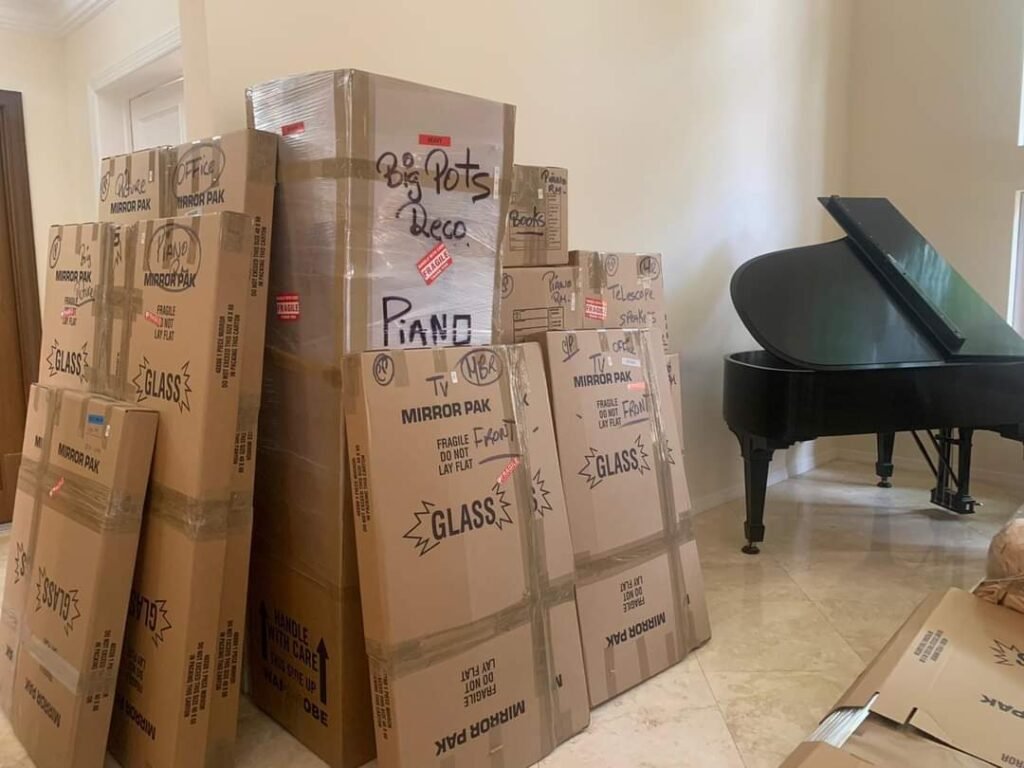
Specialty items like pianos, safes, or artwork require specialized handling. Professional movers charge extra but have expertise and equipment to move them safely.
Choosing between a rental truck and professional movers requires comparing actual, itemized costs rather than advertised rates. For most local moves under 20 miles with light loads, a rental truck is cheaper. For longer distances, larger loads, or specialty items, professional movers typically offer better value when accounting for fuel, insurance, labor, and liability. At ProTouch Mover, we provide transparent, binding estimates that include all costs upfront, with no hidden fees or surprises on moving day. Our expert crews handle packing, loading, and unloading with full liability protection. Get your free moving quote today and see how professional moving compares to the true cost of a DIY rental truck move.
Frequently Asked Questions
Is it cheaper to rent a truck or hire local movers for a small move?
For small local moves, rental trucks often appear cheaper upfront with base rates starting around $19.95-$80 per day. However, hidden costs, fuel, mileage fees, damage waivers, equipment rental, and your own labor, can quickly add up. Local movers include labor, equipment, and liability coverage in one transparent quote. For moves under 10 miles with minimal items, a rental truck may save money; beyond that, professional movers often deliver better value when you factor in time, risk, and convenience.
What are the hidden costs of renting a moving truck?
Beyond the advertised daily rate, rental trucks charge mileage fees (typically $0.59-$1.29 per mile), fuel costs you must pay, damage waivers ($15-$30/day), equipment like dollies and furniture pads ($5-$15 each), late return fees, and insurance add-ons. One-way rentals may include drop-off fees or mileage caps. Environmental fees, convenience charges for online bookings, and truck conditioning fees can also appear on your final bill, sometimes doubling the initial quote.
How do local mover costs compare to rental truck costs for long-distance moves?
For long-distance moves (typically 100+ miles), professional movers often cost less than rental trucks when you include all expenses. Rental trucks charge per-mile on local moves or have mileage caps on long-distance rentals; fuel alone for a 500-mile move can exceed $300-$500. Professional movers offer flat rates or hourly labor plus transportation, with liability coverage included. For interstate moves, full-service movers typically provide better protection and predictable pricing than DIY truck rental.
What insurance and liability coverage do I need for a rental truck vs professional movers?
Rental truck companies offer damage waivers (typically $15-$30/day) that cover the truck but not your belongings. Your homeowner's or renter's insurance may not cover moving-related damage. Professional movers include basic liability coverage (often $0.60-$2.50 per pound of goods) and offer full-value protection plans for additional cost. For high-value items like pianos, antiques, or safes, professional movers' specialized coverage is essential, rental trucks leave you personally liable for all damage.
When should I hire labor-only movers with a rental truck instead of full-service movers?
Labor-only movers (typically $50-$100/hour per person) work best if you've already rented a truck and need help loading/unloading. This hybrid approach saves money compared to full-service movers but requires you to manage the truck rental, driving, and logistics. Use this option for small, local moves where you want to control costs and have time to coordinate. For complex moves, long distances, or specialty items, full-service movers eliminate the coordination burden and hidden costs.
This article was written using GrandRanker