
Table of Contents
- Best Time to Move to Florida: Overview of Seasonal Factors
- Spring Moving Season (March-May): Mild Weather and Peak Demand
- Summer Moving in Florida: Heat, Storms, and Lower Costs
- Fall Moving Season: Hurricane Season Logistics and Considerations
- Winter Moving: Snowbirds, Seasonal Residents, and Peak Housing Demand
- Cost of Moving to Florida by Season: Budget Planning Guide
- Moving to Florida with Kids: School Year and Family Considerations
- Florida Relocation Checklist: Essential Steps for Any Season
Best Time to Move to Florida: Overview of Seasonal Factors
Finding the best time to move to Florida requires understanding how weather, housing demand, and moving costs shift throughout the seasons. At ProTouch Mover, we’ve helped hundreds of families and businesses relocate, and timing makes a measurable difference in both experience and cost. The state’s unique climate, with distinct hurricane seasons, intense summer heat, and peak winter migration, creates windows of opportunity for savvy movers.
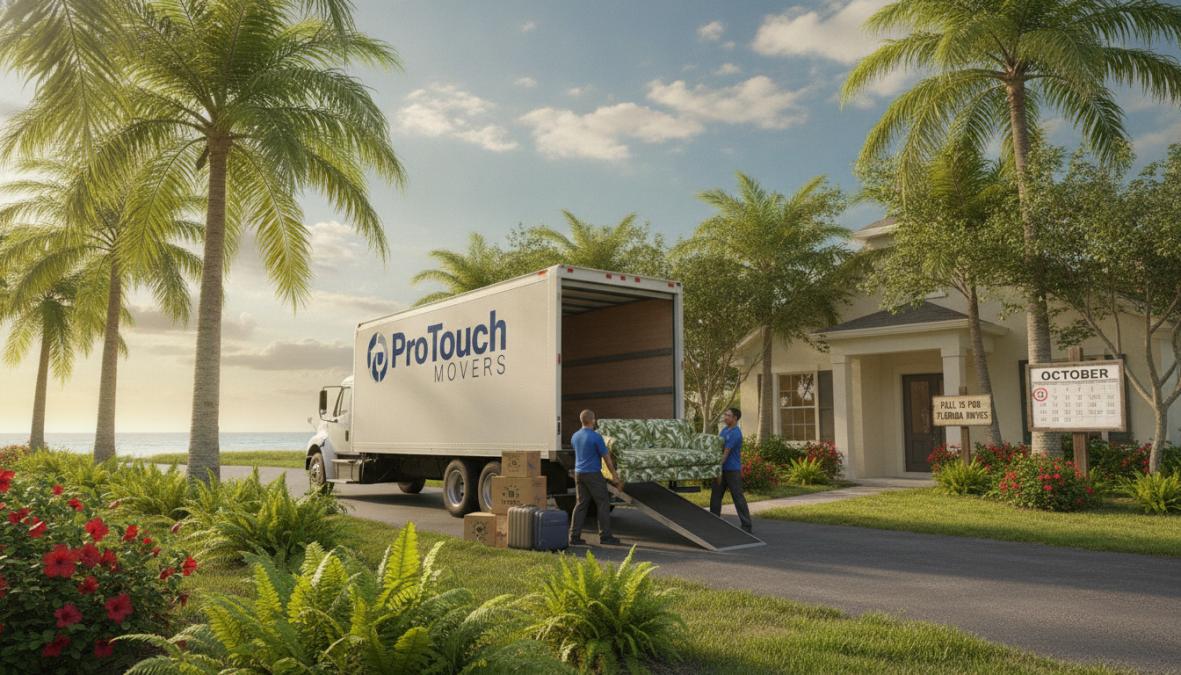
Your moving timeline affects three critical variables: cost, availability, and stress. Moving during peak season costs 20-40% more than off-peak periods, while housing inventory and moving company availability fluctuate dramatically. The "best" time depends on your priorities, whether optimizing for price, weather comfort, or housing selection.
Why Timing Matters for Your Relocation
Seasonal residents, called snowbirds, create predictable demand surges that drive up rental prices and moving company rates. Understanding these patterns lets you capitalize on lower costs during slow periods or secure better housing options when competition is fierce. The difference between moving in March versus September can mean thousands of dollars in moving costs alone.
Weather also plays a practical role. Summer afternoon storms make loading trucks treacherous, while hurricane season demands specialized planning. Spring and fall offer mild weather that reduces physical strain and protects belongings from temperature extremes.
Spring Moving Season (March-May): Mild Weather and Peak Demand
Spring represents the most popular relocation window in Florida. Temperatures range from 70-85°F with moderate humidity and minimal rainfall, ideal moving conditions. Snowbirds depart as northern winters end, creating a surge in moving activity and housing availability.
Pros and Cons of Spring Relocation
Spring moving offers genuine advantages. Mild weather means you won’t be exhausted by Florida’s heat while packing and unloading. Belongings, especially electronics and artwork, face minimal climate stress during transit.
However, spring’s popularity comes with steep costs. Moving companies charge peak rates because demand outpaces supply. Rental apartments and homes sell or lease quickly, forcing fast decisions or losing properties. Families with school-age children often move in spring to allow kids to settle before the new school year begins.
Spring is hurricane season’s tail end. While major storms are less common in March-May than August-October, late-spring storms can still delay moves. Ensure your moving company has proper weather contingency plans.
Spring Moving Costs and Housing Market Availability
Spring demand drives moving quotes upward significantly. Expect premium rates for trucks, labor, and storage. Housing inventory is high, but competitive offers and bidding wars are common in desirable neighborhoods. Real estate activity peaks as snowbirds depart and permanent residents arrive.
Summer Moving in Florida: Heat, Storms, and Lower Costs
June through August brings oppressive heat, afternoon thunderstorms, and lower demand for moving services. Temperatures regularly exceed 90°F with humidity above 80%, and afternoon storms occur nearly daily. Most families avoid moving during this period, creating an opportunity for cost-conscious relocators.
Pros and Cons of Summer Moves
The primary summer advantage is cost. Moving companies offer significant discounts during their slowest period. Truck rentals are cheaper, labor rates drop, and storage units are readily available. Summer moving can save thousands compared to spring or fall.
Housing inventory decreases, but rental prices often soften. Landlords become more willing to negotiate on terms and move-in costs. Summer moves work well for remote workers who don’t depend on school schedules.
The downsides are substantial. Loading a truck in 95°F heat with 85% humidity is physically demanding and dangerous. Heat exhaustion becomes a real risk. Belongings, especially wooden furniture and electronics, suffer in extreme temperatures and humidity.
If moving in summer, schedule for early morning hours (6-10 AM) before peak heat. Provide water and electrolyte drinks for movers. Use climate-controlled trucks and storage to protect sensitive items.
Afternoon Storms and Moving Logistics During Peak Heat
Summer afternoon thunderstorms are Florida’s defining weather pattern. Nearly every day from 2-6 PM, intense storms develop with heavy rain, lightning, and occasional tornadoes. These storms disrupt schedules, damage unprotected belongings, and create safety hazards.
Professional moving companies adjust schedules to avoid peak afternoon hours and use tarps extensively. Many offer climate-controlled trucks for summer relocations. The humidity creates additional challenges, wooden items absorb moisture, electronics malfunction, and cardboard boxes weaken.
Fall Moving Season: Hurricane Season Logistics and Considerations
August through November overlaps with Atlantic hurricane season, creating unique challenges and opportunities. September and October are peak hurricane months. Fall temperatures range from 75-88°F with high humidity. Demand for moving services declines as summer ends, so costs drop compared to spring but remain higher than summer.
Pros and Cons of Fall Relocation
Fall offers a middle ground between spring’s popularity and summer’s heat. Temperatures are warm but not oppressive. Housing inventory remains reasonable without spring’s frenzied competition. Fall moving works well for professionals starting new positions in September or October.
The critical downside is hurricane season logistics. Hurricanes can delay moves by days or weeks. Moving trucks may be rerouted, supplies become scarce, and crews are reassigned to emergency response. Insurance coverage becomes complicated, and some companies increase rates or limit availability.
Never schedule a move during active hurricane warnings or tropical storm watches. Insurance may not cover storm damage if you move during severe weather. Build 2-3 week buffer time into your timeline during peak hurricane season (September-October).
Planning Your Move Around Hurricane Season
Successful fall moves require proactive hurricane planning. Monitor the National Hurricane Center’s seasonal forecasts and avoid moving during peak activity windows. September is statistically the most active month; consider August or October instead if possible.
Work with your moving company to establish weather contingency plans. Confirm they have insurance covering hurricane damage and that belongings will be protected if a storm occurs during transit. Use climate-controlled storage if your move spans hurricane season to protect from moisture and flooding.
Winter Moving: Snowbirds, Seasonal Residents, and Peak Housing Demand
December through February brings a second peak moving season as snowbirds migrate south. Temperatures range from 60-75°F, the most comfortable period of the year. However, this comfort comes with significant demand and cost increases comparable to spring.
Pros and Cons of Winter Moves
Winter offers perfect weather for moving. Temperatures are mild, humidity is lower, and rainfall is minimal. Belongings face no heat or humidity stress. Physical labor is comfortable, and crews work efficiently. Winter is ideal if comfort and protecting belongings are priorities.
Housing demand peaks as snowbirds and winter residents search for homes. Rental inventory decreases rapidly as landlords fill vacancies with seasonal tenants. Expect competitive rental markets and higher prices. Moving company bottlenecks occur as professional movers book solid weeks in advance. Moving costs spike 15-30% above off-season pricing.
Winter moving works best for retirees, remote workers, and families without school-year constraints. Snowbirds planning seasonal residence benefit from winter’s timing and comfort.
Snowbird Season Impact on Moving Companies and Rental Availability
Snowbird migration reshapes Florida’s moving industry. From November through February, moving companies operate at maximum capacity. Crews work extended hours, booking backlogs extend weeks, and rates increase significantly.
Rental availability becomes scarce during peak snowbird season. Landlords prioritize seasonal tenants who pay premium rates. Permanent relocators face limited inventory and higher competition. If flexible on timing, moving in November (before peak season) or March (as snowbirds depart) offers better prices than January.
Cost of Moving to Florida by Season: Budget Planning Guide
Moving costs fluctuate dramatically by season. Understanding the pricing cycle helps you budget accurately and identify cost-saving opportunities. The difference between peak and off-peak moving can exceed several thousand dollars.
Moving Quotes and Pricing Across Peak and Off-Peak Seasons
Moving companies use dynamic pricing based on demand. Spring and winter command premium rates, typically 20-40% above off-peak prices. Summer offers the lowest rates as demand plummets. A long-distance move to Florida costs significantly more in March than in July. Spring moves might cost $8,000-12,000 for a three-bedroom home, while the same move in summer could cost $5,000-7,000.
Booking 6-8 weeks in advance locks in better rates than last-minute scheduling.
| Moving Season | Typical Cost Range | Demand Level | Availability | Best For |
|---|---|---|---|---|
| Spring (Mar-May) | $8,000-12,000 | Peak | Limited | Families, school transitions |
| Summer (Jun-Aug) | $5,000-7,000 | Low | Excellent | Budget-conscious movers |
| Fall (Sep-Nov) | $6,500-9,500 | Moderate | Good | Professionals, hurricane flexibility |
| Winter (Dec-Feb) | $8,500-13,000 | Peak | Limited | Retirees, snowbirds |
Book 6-8 weeks in advance to secure better rates and preferred dates. Mid-week moves (Tuesday-Thursday) cost less than weekends. Moving mid-month is cheaper than month-end. Combining these strategies can save 15-25% on moving costs.
Cost-of-Living vs. Moving Season Trade-offs
The timing decision extends beyond moving costs to overall relocation expenses. Remote workers have unique advantages. Without school schedules or office start dates, they can move during off-peak seasons and maximize savings. A remote worker moving in August saves thousands on moving costs and potentially housing compared to a family moving in March.
Moving to Florida with Kids: School Year and Family Considerations
Families with school-age children face additional timing constraints. Florida’s school year typically runs August through May, creating natural moving windows around summer break and academic transitions.
School Calendar Timing and Transition Planning
Most Florida families move during summer break (June-July) to allow children to settle before school starts. This timing aligns with national moving patterns, creating peak demand and premium pricing. However, it provides maximum adjustment time for children and simplifies school enrollment.
Moving in early August, just before school starts, is less popular and offers slightly lower costs. Spring moves (March-May) allow children to finish the school year in their new community before summer break.
School enrollment in Florida is straightforward but requires planning. Contact your new school district early to understand enrollment deadlines and required documentation. Consider your child’s age and temperament. Younger children adapt quickly to school changes. Older children struggle more with mid-year transitions.
Florida Relocation Checklist: Essential Steps for Any Season
Successful moves require systematic planning regardless of season. A comprehensive checklist ensures you don’t overlook critical details during the stress of moving.
Pre-Move Planning and Moving Timeline
Begin planning 8-12 weeks before your target move date. Research neighborhoods, schools, and housing options. Contact your new employer to confirm start dates.
6-8 weeks before moving, obtain quotes from at least three companies. Compare pricing, services, and reviews. Book your preferred moving company and confirm dates. Schedule utility disconnections and connections.
4-6 weeks before moving, declutter and organize belongings. Decide what to move, donate, sell, or discard. Take inventory of valuable items for insurance.
2-4 weeks before moving, pack non-essential items and create a moving inventory. Confirm moving company details and special handling requirements.
1-2 weeks before moving, finalize packing and confirm utility arrangements. Pack an essentials box with items you’ll need immediately.
Create a moving timeline document and share it with everyone involved. Include moving company contact information, utility account numbers, and important dates. This prevents miscommunication and ensures nothing is overlooked.
Moving Day Preparation and Insurance Considerations
Moving day requires preparation and attention to detail. Do a final walkthrough checking closets and storage areas. Document your current home’s condition with photos for your security deposit return.
Protect belongings with proper insurance. Standard moving company liability covers only a fraction of replacement costs. Full-value protection or additional policies protect against loss or damage. Confirm your homeowner’s or renter’s insurance covers moving and storage. Document valuable items with photos and serial numbers.
On moving day, supervise loading and confirm all items are accounted for. Keep important documents, jewelry, and medications with you rather than on the truck. Arrive at your new Florida home before the moving truck and do a walkthrough. Document any existing damage with photos. Confirm utilities are functioning.
According to research from the Florida Chamber of Commerce, understanding seasonal moving patterns helps relocators save thousands while improving their transition experience. The best time to move to Florida depends on your specific priorities, whether optimizing for cost, weather comfort, school schedules, or housing availability.
Spring and winter offer ideal conditions but demand premium pricing and face moving company capacity constraints. Summer provides significant cost savings for budget-conscious movers willing to accept heat and humidity. Fall offers a middle ground but requires careful hurricane season planning.
ProTouch Mover has guided hundreds of Florida relocations across all seasons. Our expert crews handle every detail, from weather-appropriate packing strategies to specialized handling of temperature-sensitive items. We offer transparent pricing, flexible scheduling, and comprehensive insurance protection regardless of your chosen season.
The National Association of Realtors reports that timing significantly impacts housing market conditions. Seasonal residents reshape Florida’s real estate dynamics throughout the year, creating distinct advantages for relocators who understand these patterns.
Ready to move to Florida with confidence? Florida Housing Search provides resources for finding rental and purchase options across the state. Get your free moving quote from ProTouch Mover today and discover how we customize your relocation to your specific season and needs.
Frequently Asked Questions
What is the cheapest month to move to Florida?
Summer months (June-August) typically offer the lowest moving costs due to reduced demand, as many people avoid the sweltering heat and afternoon storms. Off-peak moving seasons also mean moving companies have more availability and may offer competitive pricing. However, you'll need to prepare for Florida humidity and potential weather disruptions. For the absolute lowest rates, mid-summer offers the best opportunity to negotiate moving quotes.
Is it better to move to Florida in summer or winter?
Summer offers lower moving costs and less competition for housing, but you'll face intense heat and afternoon thunderstorms. Winter provides mild weather and ideal moving conditions, but you'll encounter peak moving season demand, higher prices, and intense competition from snowbirds and seasonal residents seeking rental availability. Your choice depends on whether you prioritize cost savings or comfort and convenience during your relocation.
How does hurricane season affect moving to Florida?
Hurricane season (June-November, peak August-October) impacts moving logistics significantly. Moving companies may have limited availability, and weather unpredictability can delay your relocation timeline. Many people avoid fall moves due to hurricane risks, though this can mean lower moving costs. If moving during hurricane season, ensure your moving insurance covers weather-related damage and plan flexibility into your moving timeline. Consider storage units for belongings if timing is uncertain.
What should I include in my Florida relocation checklist?
Your Florida relocation checklist should cover: securing moving quotes from multiple moving companies, arranging moving supplies and storage units if needed, updating your Florida residency documents, confirming moving insurance coverage, scheduling utility disconnections and reconnections, researching neighborhood-specific seasonal data, and preparing for climate-specific packing (hurricane-resistant storage, humidity protection). Also plan your moving timeline around school year if applicable, and coordinate with moving services early during peak seasons.
This article was written using GrandRanker