
Table of Contents
- What Constitutes a Short-Distance Move
- Cost of Hiring Movers for Local Move: Pricing Models Explained
- Best Local Moving Companies for Short-Distance Relocations
- Factors Affecting Moving Quotes and Estimates
- How to Pack for a Local Move: Preparation Steps
- Short Distance Moving Checklist: What You Need Before Moving Day
- How to Choose the Right Moving Company for Hiring Movers for Short Distance Relocation
- Insurance, Liability, and Protection for Your Belongings
Last Updated: July 23, 2026
When planning a move across town or to a nearby neighborhood, hiring movers for short distance relocation can transform what might otherwise be a stressful DIY project into a smooth, professional transition. At ProTouch Mover, we understand that local moves come with unique challenges, tight timelines, budget constraints, and the need for reliability on a specific moving day. This guide walks you through everything you need to know about hiring movers for short distance relocation, from understanding what qualifies as a short-distance move to vetting companies and protecting your belongings.
What Constitutes a Short-Distance Move
A short-distance move typically covers relocations under 50 miles, though some moving companies define it as anything under 100 miles within the same state or metropolitan area. Short-distance moves differ from long-distance relocations in pricing, timeline flexibility, and service availability. Many local moving companies charge hourly rates, while long-distance relocations rely on weight-based or volume-based pricing. A move from one side of Jacksonville to another might take 3-5 hours with a two-person crew, whereas a move 500 miles away requires overnight transit and different logistics planning.
Short-distance moves also allow for same-day or next-day service in many cases. Understanding where your move falls on this spectrum helps you choose the right service type and prepare realistic expectations for cost and timing.
Cost of Hiring Movers for Local Move: Pricing Models Explained
The cost of hiring movers for a local move depends heavily on the pricing model the company uses. Two primary structures dominate the industry: hourly rates and flat-rate pricing.
Hourly Rates vs. Flat-Rate Pricing
Hourly moving rates typically range from $80-$150 per hour for a two-person crew, depending on your market and the company’s overhead. Full-service moves with a truck and crew generally run $110-$200 per hour. The advantage of hourly pricing is transparency: you pay for the time actually used. The risk is unpredictability, a move estimated at three hours might stretch to four if obstacles arise.
Flat-rate pricing eliminates this uncertainty. A moving company quotes a fixed price for your entire move, say $850 for a two-bedroom apartment relocation. You pay that amount regardless of whether the move takes 2.5 or 4 hours. This appeals to budget-conscious customers who want certainty.
PODS moving cost breakdown shows that local moves with portable containers start around $220 for an 8-foot container. HireAHelper labor marketplace rates indicates that labor-only moving assistance ranges from $100-$150 per hour for vetted professionals.
Hidden Fees and Binding Estimates
A binding estimate locks in the price; the moving company cannot charge more, even if the move takes longer. Non-binding estimates are just estimates; the final bill can exceed the quote if circumstances change. Most reputable local moving companies offer binding estimates for short-distance moves because the scope is predictable.
Watch for these hidden fees: fuel surcharges, stair fees, long-carry fees, specialty item fees, packing material markups, and administrative fees. Ask prospective movers to itemize all potential fees in writing before you commit. ProTouch Mover provides transparent, binding estimates for local moves so you know your exact cost upfront.
Best Local Moving Companies for Short-Distance Relocations
Choosing the right moving company requires evaluating their service offerings, reputation, and fit for your specific needs.
Full-Service vs. Labor-Only Options
Full-service movers handle everything: packing, loading, transport, unloading, and unpacking. This approach costs 30-50% more than labor-only services but eliminates your physical involvement and reduces damage risk.
Labor-only services provide the crew but you supply the truck (or rent one separately). You’re responsible for driving, but you save on transportation costs and have more control over the timeline.
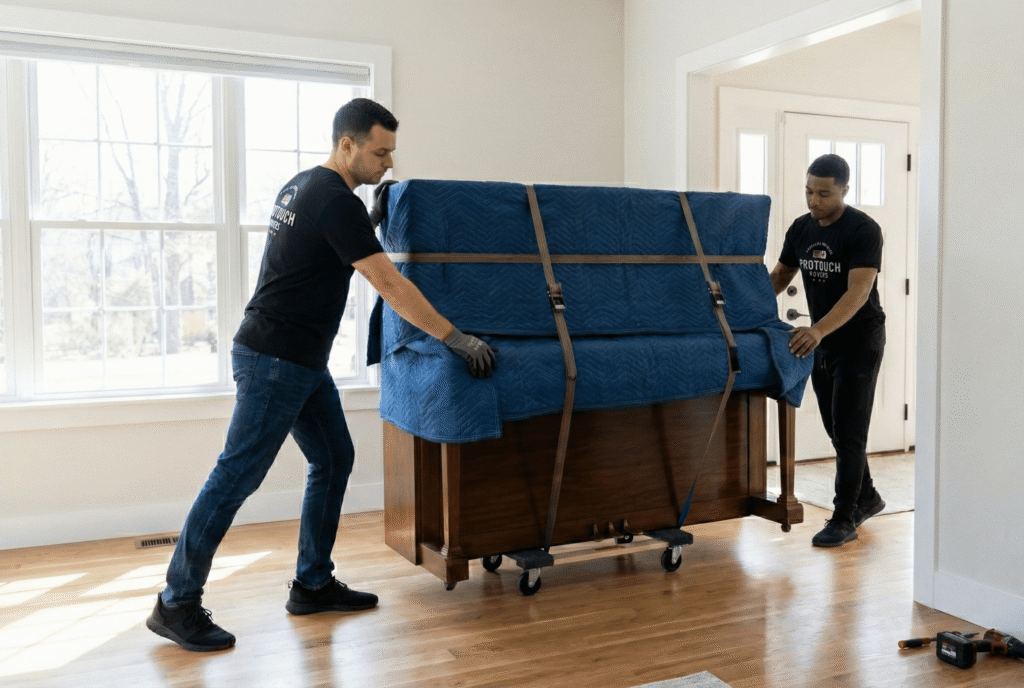
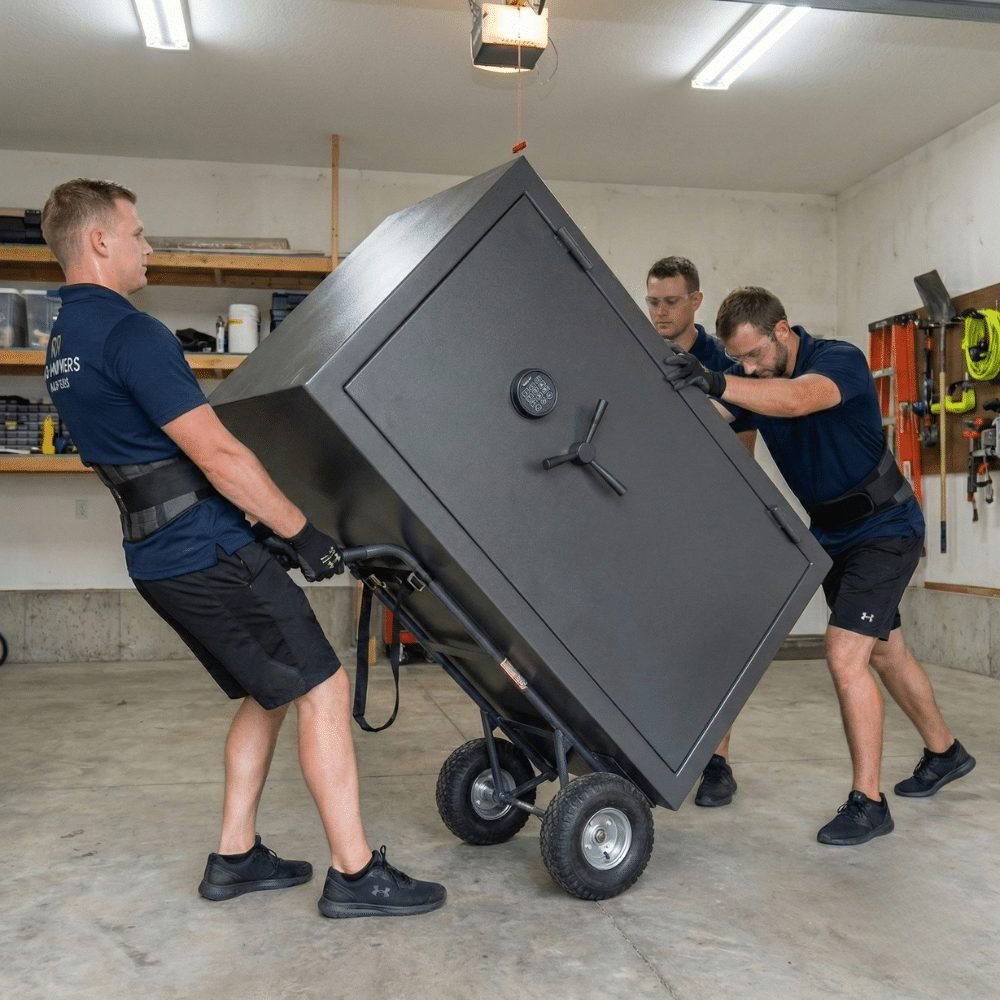
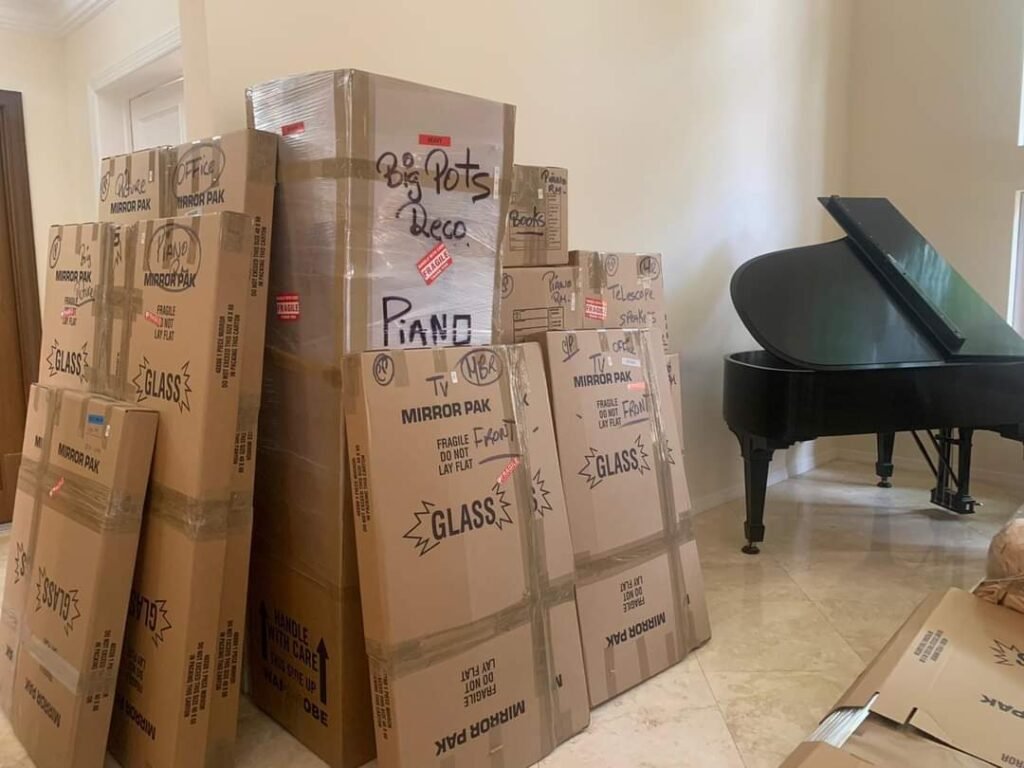
Bellhop moving service options offers both labor-only assistance and full-service moves with transparent, upfront pricing starting around $250-$1,000 for labor-only local moves. ProTouch Mover specializes in full-service local relocations throughout Jacksonville and surrounding areas, handling everything from standard furniture moves to specialized services like piano and safe transport.
Comparing Professional Movers and DIY Alternatives
DIY moving, renting a truck and handling everything yourself, is the cheapest option upfront. A 10-foot truck rental might cost $30-$50 per day, plus gas. However, DIY moves carry hidden costs: time (often 8-12 hours of physically demanding work), potential damage to your belongings or rental truck, injury risk, and stress. Professional movers cost more initially but deliver value through efficiency, liability protection, and peace of mind.
| Option | Upfront Cost | Time Required | Damage Risk | Best For |
|---|---|---|---|---|
| DIY Truck Rental | $100-$300 | 10-12 hours | High | Budget-conscious, small moves |
| Labor-Only Service | $300-$800 | 4-6 hours | Medium | Flexible timeline, some help needed |
| Full-Service Movers | $800-$2,500 | 3-4 hours | Low | Convenience, peace of mind, valuable items |
Factors Affecting Moving Quotes and Estimates
Several variables influence what you’ll pay for hiring movers for short distance relocation services. The volume of items you’re moving is the primary cost driver. Distance matters, even for short moves, a five-mile relocation costs less than a 45-mile move. Timing affects pricing substantially: moving during peak season (May through September) costs 20-30% more than off-season moves. Accessibility of your locations matters too, ground-floor apartments with nearby parking are easiest to move. Special items like pianos, antiques, safes, and artwork need specialty equipment and expertise, adding $200-$1,000+ to your bill.
How to Pack for a Local Move: Preparation Steps
Proper packing protects your belongings and makes the moving crew’s job easier and faster. Strategic packing can actually reduce your moving bill by simplifying the loading process.

Start packing non-essential items 2-3 weeks before your move. Create an inventory as you pack, a simple spreadsheet listing box numbers and contents helps you track items and confirms nothing went missing.
Essential Packing Supplies and Materials
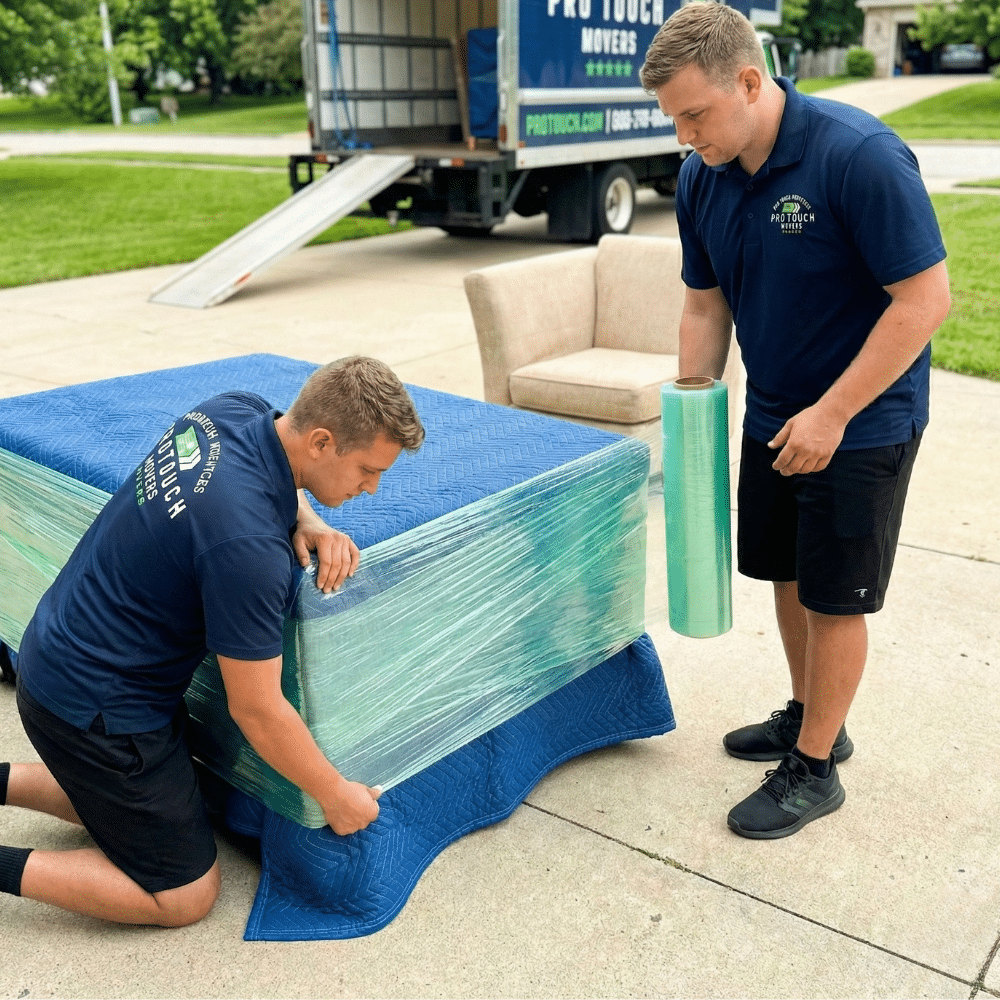
Quality packing materials protect your belongings. Invest in sturdy boxes, packing tape, bubble wrap, packing paper, and blankets for furniture protection. Gather these materials before packing begins: sturdy moving boxes in various sizes, heavy-duty packing tape, bubble wrap and packing paper, permanent markers for labeling, furniture pads or blankets, dish pack boxes with dividers, and wardrobe boxes. Many moving companies offer packing supplies for sale, often at premium prices. Buying boxes and tape from a hardware store usually costs less.
Room-by-Room Packing Strategy
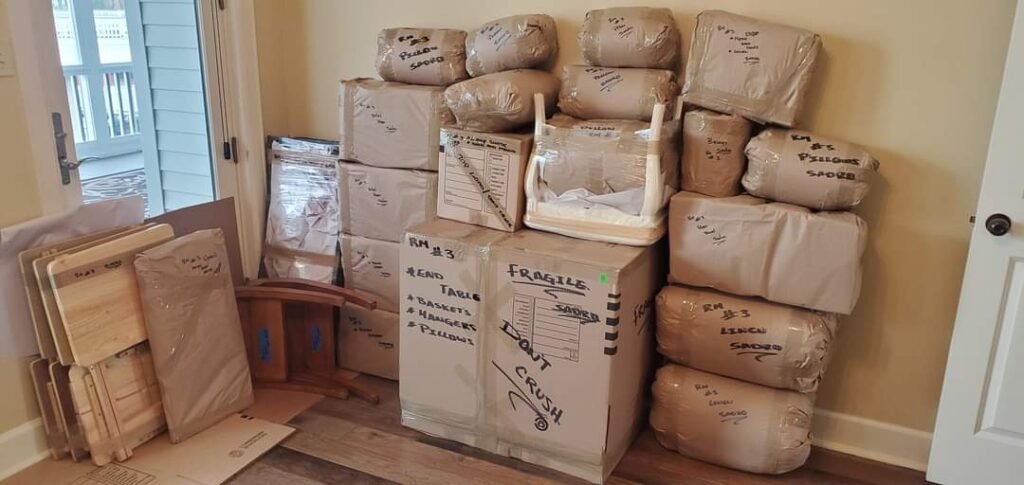
Pack room by room rather than randomly throughout your home. This approach makes unpacking logical and helps the moving crew place boxes in correct rooms efficiently. Start with the bedroom, packing off-season clothing and extra bedding. Move to the living room next, packing decorative items, books, and electronics. Take photos of your electronics setup before disconnecting everything to make reconnection easier. Pack the kitchen strategically, using small boxes to keep weight manageable. Leave out daily dishes and cooking items until the night before moving day. Wrap fragile items individually in bubble wrap or packing paper.
Label boxes on multiple sides, not just the top. When boxes are stacked in a truck, only the side faces are visible. Clear labeling helps movers place boxes in the right rooms.
Short Distance Moving Checklist: What You Need Before Moving Day
A comprehensive moving checklist ensures nothing falls through the cracks.
Pre-Move Tasks and Timeline
8 weeks before moving day: Research moving companies, get quotes, and book your preferred mover.
6 weeks before: Declutter your home. Schedule disconnections for utilities, internet, and services at your current place.
4 weeks before: Notify important contacts of your address change. Update your address with the post office, banks, insurance companies, employers, and subscription services.
2 weeks before: Confirm details with your moving company. Verify the moving date, time window, crew size, and any special services.
1 week before: Start packing non-essential items. Organize your inventory system and begin labeling boxes.
3 days before: Pack most of your belongings, leaving only daily essentials. Confirm parking arrangements at both locations.
1 day before: Pack remaining items except those you’ll use that evening and morning. Prepare a "first night" box with toiletries, medications, phone chargers, comfortable clothes, and basic kitchen items.
Moving day: Do a final walkthrough of your old place. Check closets, cabinets, and storage areas for forgotten items. Take meter readings and photograph the empty home.
Moving Day Checklist and Post-Move Verification
On moving day, greet the crew with a walkthrough showing any fragile items or specialty pieces requiring special care. Keep important documents, jewelry, and irreplaceable items with you rather than on the moving truck. As movers load the truck, do a visual check to confirm all items are being loaded.
At your new location, do a room-by-room walkthrough with the crew before they unload to ensure everything is in place and undamaged.
Don’t sign off on the move until you’ve verified that all items arrived and nothing is damaged. Take photos of any damage immediately and report it to the moving company within the timeframe specified in your contract, usually 30 days.
After the movers leave, unpack boxes systematically, checking for damage. Update your address with remaining services and return rental equipment promptly.
How to Choose the Right Moving Company for Hiring Movers for Short Distance Relocation
Selecting a moving company requires evaluating reputation, licensing, insurance coverage, and whether their services match your specific needs.
Vetting Checklist: Licensed, Insured, and Reviewed
Start by verifying that any moving company you consider is properly licensed and insured. In the United States, interstate movers must be registered with the Federal Motor Carrier Safety Administration (FMCSA). Intrastate movers are regulated by state agencies. FMCSA moving company database allows you to search for company licenses and view complaint histories.
Confirm that the company carries liability insurance. Ask for a Certificate of Insurance (COI) that proves they have coverage for damage to your belongings. Full-value protection covers replacement cost, which is significantly better than limited liability.
Check online reviews across multiple platforms. Google, Yelp, and the Better Business Bureau provide customer feedback. Look for patterns in reviews rather than individual complaints. Ask for references from recent customers.
Your vetting checklist should include:
- Company holds current FMCSA license (for interstate moves) or state license (for intrastate moves)
- Company carries liability insurance with COI available
- Online reviews average 4+ stars across multiple platforms
- Company provides references from recent customers
- Written estimate provided with all fees itemized
- Company responds promptly to questions and concerns
- Contract clearly specifies pickup/delivery dates and payment terms
Red Flags and Warning Signs
If a company quotes a price significantly lower than competitors, it’s often a red flag. Lowball quotes frequently lead to surprise charges on moving day. Companies that won’t provide written estimates or insist on estimates "over the phone" without seeing your home are problematic. Avoid companies that demand large deposits upfront. Standard practice is to collect payment on moving day after services are completed. Watch for movers who pressure you into decisions, legitimate companies don’t need aggressive tactics. If a company lacks a physical office address or operates only through a mobile phone number, be cautious.
Insurance, Liability, and Protection for Your Belongings
Understanding moving insurance and liability is critical because accidents do happen.
Understanding Certificate of Insurance (COI)
A Certificate of Insurance (COI) is a document proving that a moving company carries liability insurance. The COI shows the insurance company name, policy number, coverage limits, and effective dates. Request a COI from any moving company before hiring them. The COI should specify the coverage amount. Standard liability for movers is often $100,000 or more, though actual coverage per item may be limited. Review the COI carefully to understand what’s actually covered and what exclusions apply. Some moving companies offer additional coverage for high-value items.
Full-Value Protection vs. Limited Liability
Limited liability (also called basic liability) is the default coverage for most moves. Under this model, the moving company’s liability is capped at 60 cents per pound per item. This coverage is inadequate for most households.
Full-value protection (also called full replacement value) means the moving company is responsible for replacing damaged items at their current replacement cost. This coverage is significantly better and is worth the additional cost, typically 1-2% of your total move cost. When evaluating moving companies, ask about their default liability coverage and the cost to upgrade to full-value protection. ProTouch Mover includes protection of your belongings as a core commitment, offering transparent liability options so you understand exactly what’s covered.
Take inventory photos before the move. Document the condition of valuable items with clear photos from multiple angles. If damage occurs during the move, these photos provide evidence for insurance claims.
Hiring movers for short distance relocation doesn’t have to be complicated or stressful. By understanding pricing models, vetting companies thoroughly, and knowing what to expect, you can make informed decisions that protect your belongings and fit your budget. ProTouch Mover brings expertise, transparent pricing, and a commitment to punctuality and protection to every Jacksonville-area relocation. Whether you’re moving across town or managing a complex multi-item move with specialty items like pianos or safes, our expert crews handle every detail. Get your free moving quote today and experience the peace of mind that comes from working with professionals who treat your belongings like their own.
Frequently Asked Questions
How much does it cost to hire movers for a short distance move?
Pricing for short distance moving depends on quantity of items, distance, and services selected. Labor-only services typically range from $40-$120 per mover per hour with 2-4 hour minimums. Full-service local moves with a truck and crew vary based on household size and complexity. For accurate pricing on your specific move, contact moving companies directly for a binding estimate that prevents surprise charges on moving day.
What should I include in my short distance moving checklist?
A comprehensive short distance moving checklist should include: booking movers 2-4 weeks in advance, obtaining moving quotes from multiple companies, confirming insurance coverage and Certificate of Insurance (COI), packing non-essential items first, creating an inventory list, notifying utilities and address changes, arranging parking or elevator access if in an apartment, and conducting a final walk-through on moving day. Post-move, verify all items arrived, document any damage, and complete address updates with banks and subscriptions.
Is it worth hiring professional movers for a short distance relocation?
Professional movers offer significant value for short-distance moves, especially for apartment dwellings or complex logistics. Full-service movers handle packing, loading, transportation, and unloading, eliminating physical strain and reducing move time. They carry proper insurance and liability protection. Labor-only options provide cost savings if you handle packing yourself. For moves requiring specialized services (pianos, safes, antiques), professional expertise prevents costly damage. Consider DIY only for very small moves with flexible timelines and strong physical capability.
How do I find reliable local moving companies for my area?
Research best local moving companies by checking online reviews on Google, Yelp, and the Better Business Bureau. Verify they are licensed and insured by requesting a Certificate of Insurance (COI). Obtain binding estimates from at least three companies to compare pricing and services. Ask for references from recent local moves. Check if they offer transparent pricing with no hidden fees. Interview moving crews about their experience with apartment moves or specialized items. Confirm they provide full-value protection or adequate liability coverage for your belongings.
What's the difference between hourly and flat-rate moving pricing?
Hourly rates charge per mover per hour with a minimum (typically 2-4 hours), costing $40-$120 per mover depending on location and company. This works well for smaller moves where you control packing time. Flat-rate pricing provides a fixed cost regardless of how long the move takes, offering budget certainty but potentially higher costs if the move is quick. Binding estimates lock the price and prevent overages; non-binding estimates may increase if the actual move differs from the quote. Always request binding estimates to avoid surprise charges.
This article was written using GrandRanker