
Table of Contents
- What to Expect When Hiring Professional Packers and Movers
- Benefits of Professional Packing Services
- Cost of Hiring Movers: Pricing Factors and Estimates
- How to Choose a Moving Company You Can Trust
- Moving Company Reviews and Reputation
- Inventory Management and Handling High-Value Items
- Insurance, Liability, and the Post-Move Claims Process
- Professional Packers and Movers for Local vs. Long-Distance Moves
Hiring Professional Packers and Movers: A 2026 Guide
Last Updated: July 20, 2026
According to the American Moving & Storage Association, approximately 43 million Americans relocate each year, with most choosing professional help. The difference between a smooth transition and a stressful experience often comes down to understanding what you’re buying and how to vet the company handling your belongings.
This guide walks you through every decision you’ll face, from service options to spotting red flags that separate legitimate operators from moving scams.
The single biggest mistake people make when hiring professional packers and movers is treating price as the primary decision factor. A lowball quote often signals cut corners, untrained crews, or deliberately vague estimates designed to surprise you with add-ons on [moving day](/blog/apartment-moving-what-to-do-before-during-and-after-moving-day/).
What to Expect When Hiring Professional Packers and Movers
Understanding the landscape of professional moving services is essential before you start getting quotes.
Full-Service Moving vs. Labor-Only Options
Full-service moving means the company handles everything: packing, loading, transporting, unloading, and often unpacking. This shifts nearly all work and risk to the moving company but costs the most.
Labor-only movers show up with a crew to load and unload your truck, but you provide the truck and do the packing yourself. This saves money but requires significantly more effort on your part.
A middle ground exists: some companies offer packing-only services or loading/unloading without packing. The right choice depends on your budget, timeline, and physical ability.
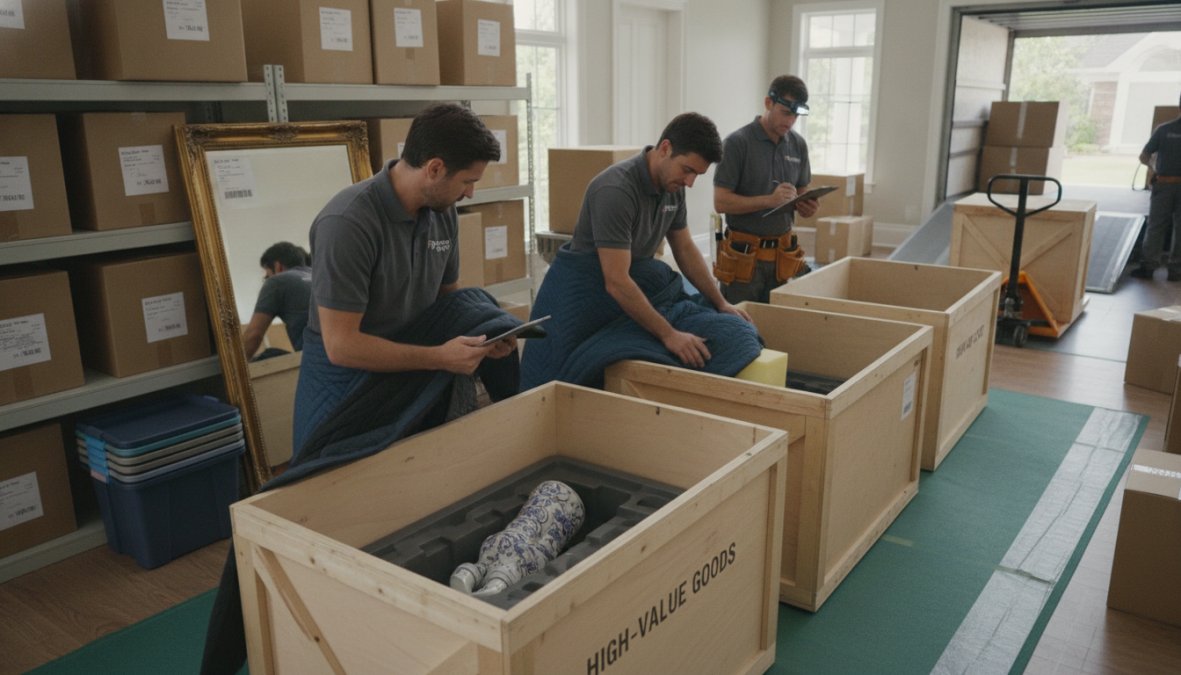
When hiring professional packers and movers for a full-service move, expect the crew to arrive with supplies, boxes, tape, bubble wrap, and specialty materials. They’ll create an inventory as they pack, documenting what’s being moved. The entire process typically takes 1-3 days depending on home size and item complexity.
The Moving Day Timeline and Coordination
Expect arrival within a scheduled window (usually 2-4 hours). A professional crew will assess your space, confirm the inventory list, and begin systematic packing or loading. A one-bedroom apartment might take 4-6 hours, while a four-bedroom house could take 8-12 hours or span multiple days.
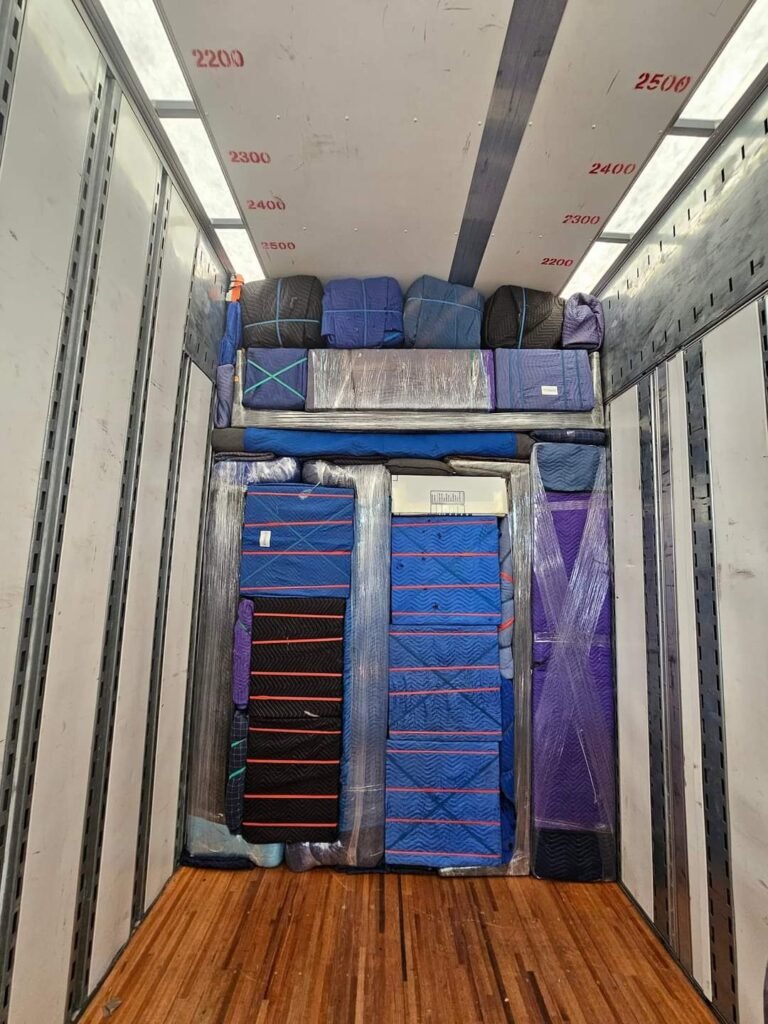
The crew will load the truck strategically: heavier items on the bottom and sides, fragile items in the middle, lighter items on top. For long-distance moves, everything is secured with straps and blankets to prevent shifting during transit.
Communication matters enormously. A reputable moving company will provide a move coordinator’s contact information, confirm arrival time the day before, and keep you informed of delays or changes.
If a moving company cannot give you a specific arrival window or refuses to provide a direct contact for your move day, this is a major red flag. Professional operations have systems in place to track crews and communicate with customers.
Benefits of Professional Packing Services
The primary benefit of hiring professional packers is speed. A trained crew can pack a three-bedroom house in 2-3 days. Doing it yourself typically takes 4-6 weeks of evenings and weekends.
Professional packers know how to pack for protection. They understand weight distribution, how to wrap fragile items, which boxes work best for different items, and how to stack boxes safely. Research shows professional packing reduces damage claims by approximately 80% compared to DIY packing.
Beyond practical benefits, there’s genuine peace of mind. You’re not personally responsible if a professional crew damages something; their liability coverage applies. You’re also freed from the physical strain of packing, particularly valuable for seniors or anyone managing a stressful transition.
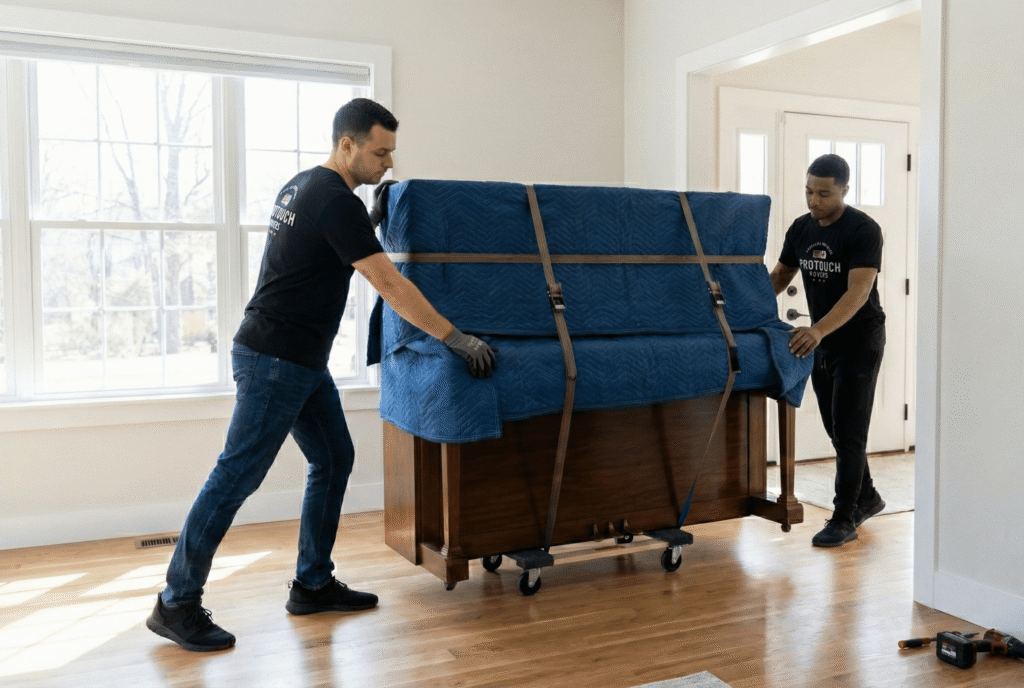
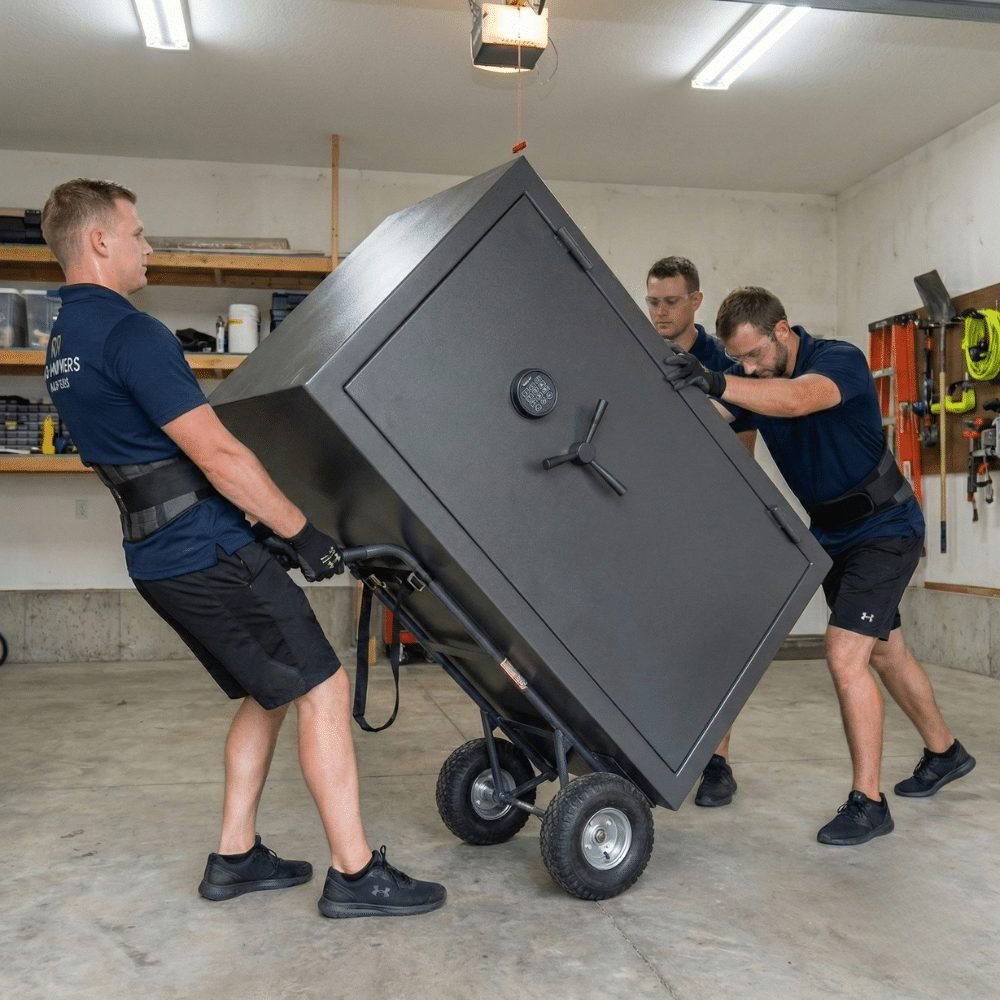
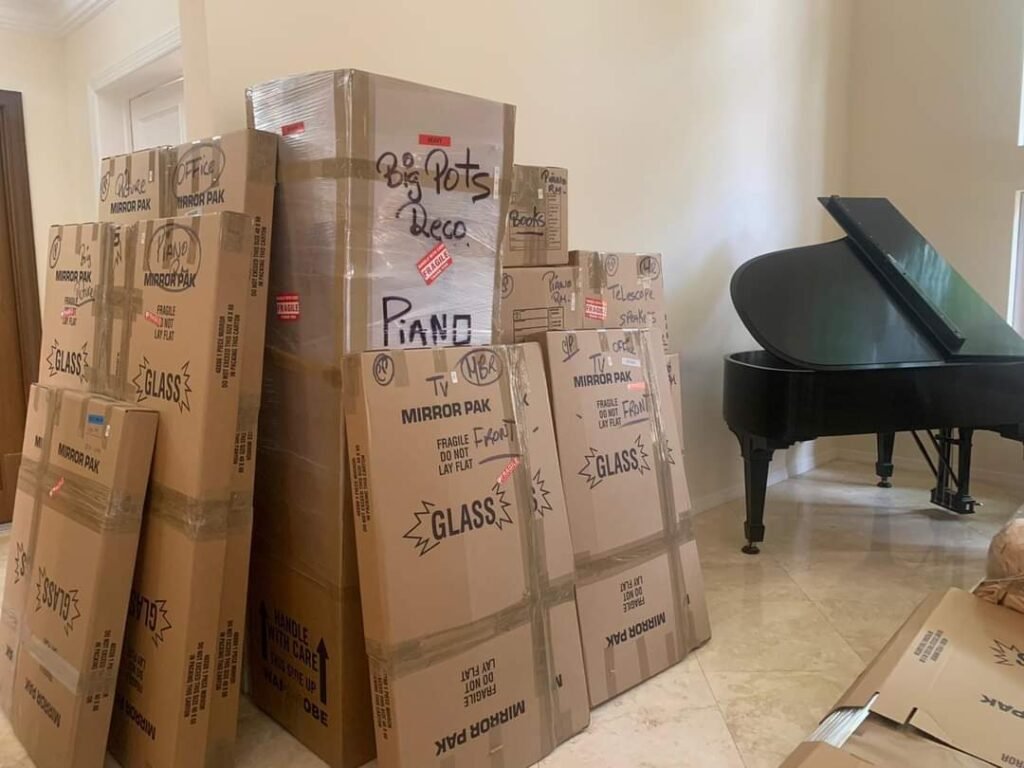
For high-value items, artwork, antiques, pianos, safes, professional packing becomes essential. These items require specialized materials, crating, and handling techniques that only experienced movers possess.
Cost of Hiring Movers: Pricing Factors and Estimates
What Affects Your Moving Estimate
The most significant factor is the weight or volume of your belongings. Local moves are typically priced hourly ($100-$200 per hour per crew member), while long-distance moves are usually priced by weight or truck space occupied.
Distance matters dramatically. Seasonal timing affects pricing too; summer is peak moving season, so expect higher rates June through August. Moving mid-week or mid-month typically costs less than weekend or month-end moves.
The complexity of your move also influences cost. A third-floor walkup with narrow stairs costs more than a ground-floor home with easy access. Specialty items, pianos, safes, hot tubs, antiques, require additional labor, equipment, and insurance.
Packing services add significant cost. Full-service packing typically costs 30-50% more than a move where you pack yourself.
Avoiding Hidden Charges and Surprise Fees
A reputable moving company provides a binding estimate after an in-home assessment. This estimate should itemize exactly what you’re paying for: hourly labor, packing supplies, truck rental, long-distance mileage, specialty services, and insurance.
Binding estimates mean the company cannot charge more unless you request additional services on moving day. Always request a binding estimate in writing.
Watch for these common hidden charges: fuel surcharges, stair fees, box charges, travel time, and minimum charges. The best defense is asking detailed questions during the estimate process.
Get at least three written estimates from different companies and compare them line-by-line. The lowest price isn’t always the best value; look for consistency across estimates and clear itemization of charges.
How to Choose a Moving Company You Can Trust
Vetting Credentials, Insurance, and Track Record
Start by confirming that any moving company is properly licensed and insured. Interstate movers must be registered with the Federal Motor Carrier Safety Administration (FMCSA). You can verify this on their website using the company’s DOT number.
Insurance is non-negotiable. Basic coverage (released value) typically covers only 60 cents per pound of damaged goods. Full-value protection covers actual replacement value and costs more but provides genuine protection. Ask what type of insurance the company carries and whether you can purchase additional coverage for high-value items.
Check reviews on Google, Yelp, and the Better Business Bureau. Look for patterns, not individual complaints. Pay special attention to reviews from people who moved similar distances and had similar-sized moves to yours.
Ask for references from recent moves in your area. A legitimate company will provide names of customers who’ve moved within the last 3-6 months. Call these references and ask specific questions: Did the crew arrive on time? Were items handled carefully? Did the final bill match the estimate?
Research the company’s history. How long have they been in business? Established companies with long track records carry less risk than startups.
Red Flags and Moving Scams to Avoid
If a moving company quotes a price without seeing your belongings in person, that’s a red flag. Professional estimates require an in-home assessment or detailed video walkthrough. Lowball quotes that seem too good to be true usually are.
Avoid companies that demand large upfront payments. Standard practice is a deposit (usually 10-25% of the estimate) with the balance due upon delivery.
Be wary of companies without physical offices or permanent phone numbers. Legitimate moving companies have verifiable business addresses, websites, and established phone lines.
If a crew shows up without proper uniforms, equipment, or a clearly marked truck, find someone else. Never hire a company that refuses to provide a written estimate or contract.
Research whether the company has FMCSA violations or complaints filed against them. A few minor complaints are normal, but a pattern of safety violations or consumer fraud complaints is disqualifying.
Moving Company Reviews and Reputation
Online reviews offer valuable insights, but they require careful reading. Focus on reviews that mention specific details. Look for reviews that match your situation.
Check the company’s response to negative reviews. Professional companies respond professionally to complaints, often offering solutions.
Industry certifications matter. Companies that are members of the American Moving & Storage Association (AMSA) have committed to industry standards. The Better Business Bureau provides accreditation and tracks complaints.
Ask your real estate agent or attorney for recommendations. Professionals who work with moving companies regularly develop knowledge about which ones are reliable.
Inventory Management and Handling High-Value Items
Creating Detailed Inventory Lists and Labeling Systems
Professional moving companies create detailed inventories as they pack. Each box is numbered, photographed, and documented with contents. This helps you locate items after the move and provides evidence for insurance claims.
Maintain your own copy of this inventory using a simple spreadsheet: box number, room destination, contents, and special handling notes. Photograph expensive or fragile items before packing and after arrival to document their condition.
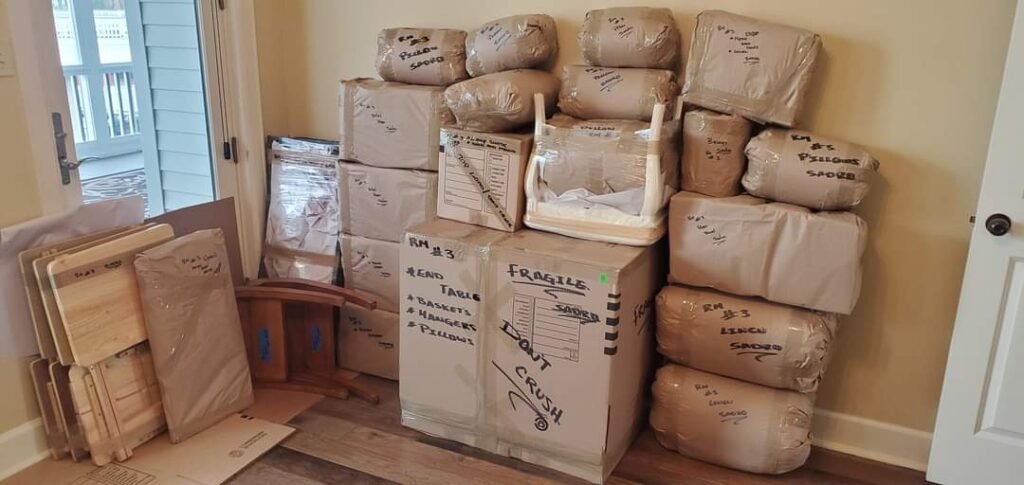
Color-coding systems help tremendously. Assign each room a color and mark boxes with colored tape or stickers. This allows crews at the destination to quickly route boxes to the correct rooms.
For items of significant value, jewelry, electronics, important documents, family heirlooms, consider transporting these yourself rather than putting them on the moving truck.
Create a "do not pack" list for your moving company. This should include hazardous items (cleaning supplies, propane, paint), valuable items (jewelry, important documents), and irreplaceable items (family photos, medications).
Specialty Crating and Fragile Item Protection
Certain items require specialty crating and handling. Pianos, artwork, antiques, marble countertops, and large mirrors need custom crating to survive a move. This is expensive but essential insurance for valuable items.
Professional movers use specific techniques for fragile items. Dishes are packed vertically, wrapped individually, and cushioned with packing paper. Glassware gets wrapped multiple times. Mirrors and artwork are crated or wrapped in specialized moving blankets.
For high-value items, request that your moving company provide photos of the packing process. This creates a visual record of how items were protected.
Ask about insurance coverage for specialty items. Standard coverage often has limits on individual items. High-value electronics, art, jewelry, and antiques may need separate riders on the moving company’s insurance policy.
Insurance, Liability, and the Post-Move Claims Process
Understanding Valuation Protection and Coverage Options
Released value (basic coverage) is the cheapest option but provides minimal protection, typically 60 cents per pound of damaged goods. Full-value protection means the company is responsible for the replacement value of damaged items. This costs more but provides genuine protection.
Some moving companies offer additional insurance through third-party providers. This is particularly valuable for high-value moves or items of sentimental value.
Before your move, document the condition of your belongings. Take photos or video of valuable items. Keep receipts for major purchases. This documentation is crucial if you need to file a claim.
Confirm what the insurance covers and what it doesn’t. Most policies exclude damage from weather, natural disasters, or improper packing by the customer.
Filing a Claim if Damage Occurs
If items arrive damaged, document the damage immediately. Take photos before you unpack anything. Contact the moving company within 24-48 hours of discovering damage.
For significant damage, get a repair estimate or replacement quote from a professional. The moving company will investigate and either approve the claim, deny it, or offer a settlement.
If the company denies your claim or offers less than you believe is fair, you can file a complaint with your state’s transportation department or the FMCSA. You can also pursue small claims court or hire an attorney for larger claims.
The best insurance is prevention. Hire a reputable company with good reviews, request full-value protection, document your belongings before the move, and supervise the packing process if possible.
Professional Packers and Movers for Local vs. Long-Distance Moves
Customized Packing Approaches by Move Type
Local moves (within 50-100 miles) have different dynamics than long-distance relocations. For local moves, the truck doesn’t need to be packed as tightly because the journey is short. Professional crews can use slightly faster packing methods while still protecting your items adequately.
Long-distance moves require more careful packing because items will be in the truck for days, potentially exposed to temperature and humidity changes. Items must be packed more securely with better cushioning and protection.
For long-distance moves, understand that your truck may be consolidated with other shipments. Your belongings will be loaded onto a truck with items from multiple families, taken to a distribution center, and then loaded onto another truck for final delivery. Professional packing is critical because items must survive multiple handlings.
Local moves often offer same-day or next-day service. Long-distance moves typically take 5-14 days depending on distance. Clarify the timeline with your moving company and confirm whether you can access your belongings during transit if needed.
When hiring professional packers and movers for a long-distance move, confirm the pickup and delivery dates in writing. Ask what happens if the company is delayed and what compensation you receive if your items are delayed but you’ve already moved into your new home.
| Move Type | Typical Duration | Packing Intensity | Cost Range | Best For |
|---|---|---|---|---|
| Local (under 50 miles) | 1-2 days | Standard | Hourly rate | Moves within same city or metro area |
| Regional (50-500 miles) | 3-7 days | Enhanced | Weight-based | Moves to adjacent states |
| Long-distance (500+ miles) | 7-14 days | Maximum | Weight-based | Cross-country or multi-state moves |
| Specialty items only | 1-2 days | Varies | Custom quote | Piano, safe, artwork, antiques |
Hiring professional packers and movers represents a significant decision and financial investment, but it pays dividends in reduced stress, faster completion, and protection of your belongings. The key is doing your homework upfront: verify credentials, get multiple written estimates, check references, and understand exactly what you’re paying for. When you’re ready to move, get your free moving quote today and experience the difference that professional expertise makes.
Frequently Asked Questions
What are the main benefits of hiring professional packers and movers?
Professional packers and movers offer several key advantages: they protect your belongings through expert packing materials and techniques, save you significant time and physical effort, reduce the risk of injury, and provide liability coverage for damages. Full-service moving companies handle everything from inventory management to unpacking, while their experience with fragile items, specialty crating, and efficient packing patterns means your move is completed faster and with fewer breakages. Most importantly, they provide peace of mind during a stressful transition.
How much does it cost to hire professional packers and movers?
The cost of hiring movers depends on several factors including the volume of items, distance (local vs. long-distance move), packing complexity, and service level chosen. Moving estimates typically account for hourly rates, the size of your professional crew, packing supplies needed, and any specialty services like piano moving or safe transport. To get an accurate moving estimate for your specific situation, contact a moving company directly for a service quote. Pricing varies significantly based on your move's unique requirements, so comparing quotes from multiple companies is essential.
What questions should I ask when hiring professional packers and movers?
Ask about their liability coverage and valuation protection options to understand what happens if damage occurs. Request details on their service contract terms, including whether the moving estimate is binding or non-binding. Inquire about their move coordinator's role and how they handle unpacking services. Ask about their experience with your specific needs, whether that's fragile items, a long-distance move, or specialty items. Finally, confirm their track record for punctuality and ask how they handle the post-move claims process if something is damaged during transit.
How do I find reliable professional packers and movers?
Start by researching moving company vetting through online reviews and ratings from verified customers. Check for proper licensing, insurance coverage, and bonding. Ask for references from recent moves and verify their experience with moves similar to yours. Compare service quotes from at least three companies to understand the market rate and what's included. Red flags include reluctance to provide written estimates, pressure to pay upfront, and vague liability terms. A reputable moving company will provide clear service contracts, transparent pricing, and explain their packing efficiency and protection methods upfront.
This article was written using GrandRanker