
Table of Contents
- What Is a Military PCS Move and How Military PCS Movers Help
- DITY Move Reimbursement: Your Options Explained
- Military Moving Allowances: What You’re Entitled To
- Best Military Moving Companies and DOD-Approved Movers
- Military PCS Checklist: Essential Steps for Your Relocation
- Managing Claims and Reimbursement: Troubleshooting Common Issues
- Pet Relocation and Special Item Logistics for Military Families
- Why ProTouch Mover Is Your Trusted Partner for Military Relocations
Military PCS Movers: Complete Guide to Permanent Change of Station Moves
Last Updated: July 22, 2026
For active-duty service members and their families, military permanent change of station movers represent far more than a simple relocation service. A PCS move involves federal regulations, weight allowances, multiple reimbursement pathways, and strict documentation requirements that differ fundamentally from civilian moves. This guide walks you through everything you need to know about military permanent change of station movers, from understanding your entitlements to filing damage claims and navigating the reimbursement process.
The military relocates approximately 400,000 service members and their families annually, according to Department of Defense military personnel statistics. Your success depends less on choosing a single "best" mover and more on understanding which moving option fits your specific situation: full-service military move, DITY (Do-It-Yourself) move, or a hybrid approach.
What Is a Military PCS Move and How Military PCS Movers Help
A Permanent Change of Station (PCS) is an official military reassignment that moves a service member from one duty station to another. Unlike a temporary assignment, a PCS triggers military moving benefits and allowances. The Department of Defense doesn’t move your household goods directly. Instead, service members work with their local Transportation office to arrange approved movers or execute a DITY move using personal funds and seeking reimbursement.
Military moving companies operate within a highly regulated framework. A full-service military mover will pack, load, transport, and unload your household goods while maintaining detailed inventory lists and coordinating with your Transportation office. The key advantage: you transfer the risk to the moving company. The trade-off: you have less control over timing and packing decisions.
Military moving companies must be on the Defense Personal Property Program (DPP) approved list. Before booking any mover, verify their DPP approval status through your Transportation office or the official DPP website. This single step prevents most problems downstream.
DITY Move Reimbursement: Your Options Explained
A DITY move, also called a PPM (Personally Procured Move), puts you in control of the moving process. You arrange and pay for the move yourself, then submit reimbursement claims to the military. The military will reimburse you up to the cost they would have paid a commercial carrier for the same move, creating a financial incentive: if you move yourself for less than the government’s estimate, you keep a portion of the difference.
Your Transportation office provides a "weight estimate" based on your rank and family size. This estimate becomes your "maximum reimbursable weight." You then arrange your own move, collect all receipts (moving company invoices, equipment rental, fuel, tolls, temporary lodging), and submit everything to your Transportation office for reimbursement review.
Calculating Your Reimbursement
The reimbursement formula is: Government’s estimated cost minus your actual expenses equals your reimbursement (with the government taking 50% of savings). However, if you move yourself and spend more than the government’s estimate, you absorb the excess cost. Most DITY moves stumble because service members underestimate moving costs. Equipment rental, fuel, multiple trips, temporary lodging, and professional movers for heavy items add up quickly.
Get written quotes from at least two equipment rental companies and one professional mover before committing to a DITY move. The extra hour of research prevents weeks of financial disappointment later.
Military Moving Allowances: What You’re Entitled To
Your military moving entitlements depend on your branch of service, rank, family size, and move distance. The Department of Defense provides each service member with a "weight allowance," the maximum weight of household goods the military will transport at no cost to you.
Weight Allowances and Household Goods Coverage
Weight allowances typically range from 5,000 pounds for junior enlisted personnel to 18,000 pounds for senior officers. A married service member with dependents receives a higher allowance than a single service member at the same rank. The allowance covers furniture, appliances, clothing, books, and personal items but does NOT cover firearms (shipped separately), hazardous materials, perishable goods, plants, or animals.
Beyond the weight allowance, the military covers temporary lodging expenses during your move. If you’re in temporary lodging while waiting for your household goods to arrive, the military reimburses lodging costs up to a daily limit (typically $150-$200). This coverage usually extends 30-60 days after your arrival at the new duty station.
Storage-in-Transit and Additional Benefits
If your household goods arrive before you’re ready to receive them, the military covers storage-in-transit (SIT) costs for up to 90 days. Beyond 90 days, you begin paying storage fees out of pocket.
Additional benefits include a dislocation allowance (a lump sum payment to offset move-related expenses), travel reimbursement for yourself and your family to the new duty station, and temporary lodging expense reimbursement.
| Benefit | Typical Coverage | Duration | Notes |
|---|---|---|---|
| Weight allowance | 5,000-18,000 lbs | One-time | Based on rank and family size |
| Storage-in-transit | Full cost | Up to 90 days | Beyond 90 days, you pay |
| Temporary lodging | $150-$200/day | 30-60 days | After arrival at new duty station |
| Dislocation allowance | $500-$3,000 | Lump sum | Varies by rank and location |
| Travel reimbursement | Actual expenses | For move trip | Includes fuel, tolls, meals |
Best Military Moving Companies and DOD-Approved Movers
Not all moving companies can handle military relocations. The Defense Personal Property Program maintains an approved list of carriers authorized to move military household goods. These movers have undergone vetting for financial stability, insurance coverage, and compliance with DOD regulations.
What Makes a Mover DOD-Approved
A DOD-approved mover carries adequate liability insurance, maintains detailed inventory and damage documentation procedures, complies with weight and dimension regulations, and submits to audits. They participate in the DPP claims process, meaning they have established procedures for handling damage claims and reimbursement disputes. This approval protects you because the mover is bound by federal regulations and the DPP claims process, which provides faster resolution and clearer liability standards.
Comparing Full-Service vs. Self-Move Options
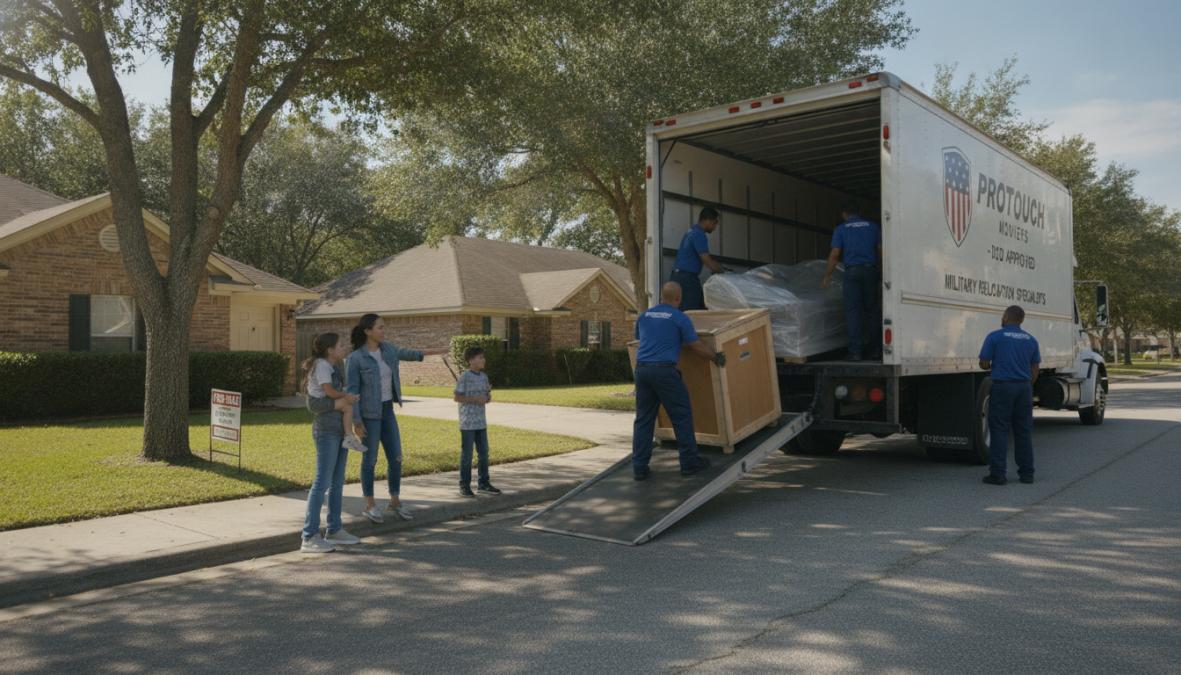
Full-service military movers handle everything: packing, loading, transport, and unloading. The advantage: minimal stress and clear accountability. The disadvantage: less control over packing methods and timing.
Self-move options (DITY/PPM) give you maximum control but require significant personal effort and assume your risk for damage. A hybrid approach, hiring professional movers for long-distance transport while handling packing and local logistics yourself, reduces costs while maintaining professional liability for the transport phase.
For most military families, a full-service DOD-approved mover is the lowest-stress option, especially if your move has a tight timeline. DITY moves make financial sense only if you have time to plan carefully and realistic confidence in your ability to execute the move without exceeding the government’s cost estimate.
Military PCS Checklist: Essential Steps for Your Relocation
A successful military move requires coordination across multiple agencies and vendors. Missing a deadline or documentation requirement can delay reimbursement or result in denied claims.
Before Your Move: Documentation and Planning
Schedule a pre-move counseling session with your Transportation office. They’ll provide your weight allowance, explain your moving options, and give you the government’s cost estimate in writing. Gather your moving orders and any special move instructions from your command.
If you’re hiring a commercial mover, request quotes from at least three DOD-approved carriers. For DITY moves, collect detailed quotes from equipment rental companies and research professional movers for items you can’t move yourself. Create a household inventory list before the move begins and photograph valuable items to note their condition.
During and After Your Move: Claims and Verification
Be present during loading and verify that the inventory list matches your items. Take photos of the truck’s condition and the loading process. After delivery, inspect all items immediately and note any damage on the delivery paperwork before signing. Most moving companies require damage claims within 7-30 days of delivery.
For DITY moves, submit your reimbursement claim within 60 days of move completion. Include all receipts, the government’s cost estimate, your actual expenses, and a completed claim form from your Transportation office.
Managing Claims and Reimbursement: Troubleshooting Common Issues
Military moving claims and reimbursement processes are notoriously slow. Understanding common issues can save you months of correspondence.
Filing Damage Claims and Protecting Your Belongings
Damage claims must be filed in writing with the moving company within the required timeframe. Provide photos of damaged items, the original inventory list showing the item’s condition before the move, and a detailed description of the damage. For valuable items, include receipts or appraisals showing replacement cost.
Most DOD-approved movers have a damage claims process that includes inspection by a claims adjuster. Your pre-move photos prove the item’s condition before the move. Many service members accept the first settlement offer without realizing they can dispute it. If the moving company’s offer seems low, request a formal appraisal and provide documentation.
If a mover offers $200 [for a](/blog/pro-tips-for-a-stress-free-move/) damaged dresser but replacement cost is $800, request a formal appraisal and provide documentation. The claims process allows for negotiation.
Navigating the Reimbursement Process
For full-service moves, reimbursement typically flows directly from the military to the moving company. For DITY moves, reimbursement comes to you after your claim is processed. Processing times vary: 4-8 weeks is typical, but some claims take 3-4 months.
Common reimbursement issues include weight overages (you pay excess cost at $3-$5 per pound), undocumented expenses (DITY reimbursement requires receipts for every expense), timing mismatches (if your move spans two fiscal years), and missing inventory documentation.
Protect yourself by maintaining copies of every document: moving orders, weight allowance letters, government cost estimates, all receipts, inventory lists, damage reports, and claim submissions. Create a folder and keep everything organized chronologically.
Pet Relocation and Special Item Logistics for Military Families
Military moves involving pets require separate planning and often separate costs. For domestic moves, you can drive your pet yourself, hire a pet transportation service, or arrange pet-friendly lodging during the move. For overseas moves, budget $1,500-$3,000 for pet relocation and start the process 2-3 months before your move date, as destination countries have quarantine requirements and import permits.
Before moving, verify that your new duty station’s housing allows pets and confirm any breed restrictions or pet fees.
Handling Sensitive or Valuable Items
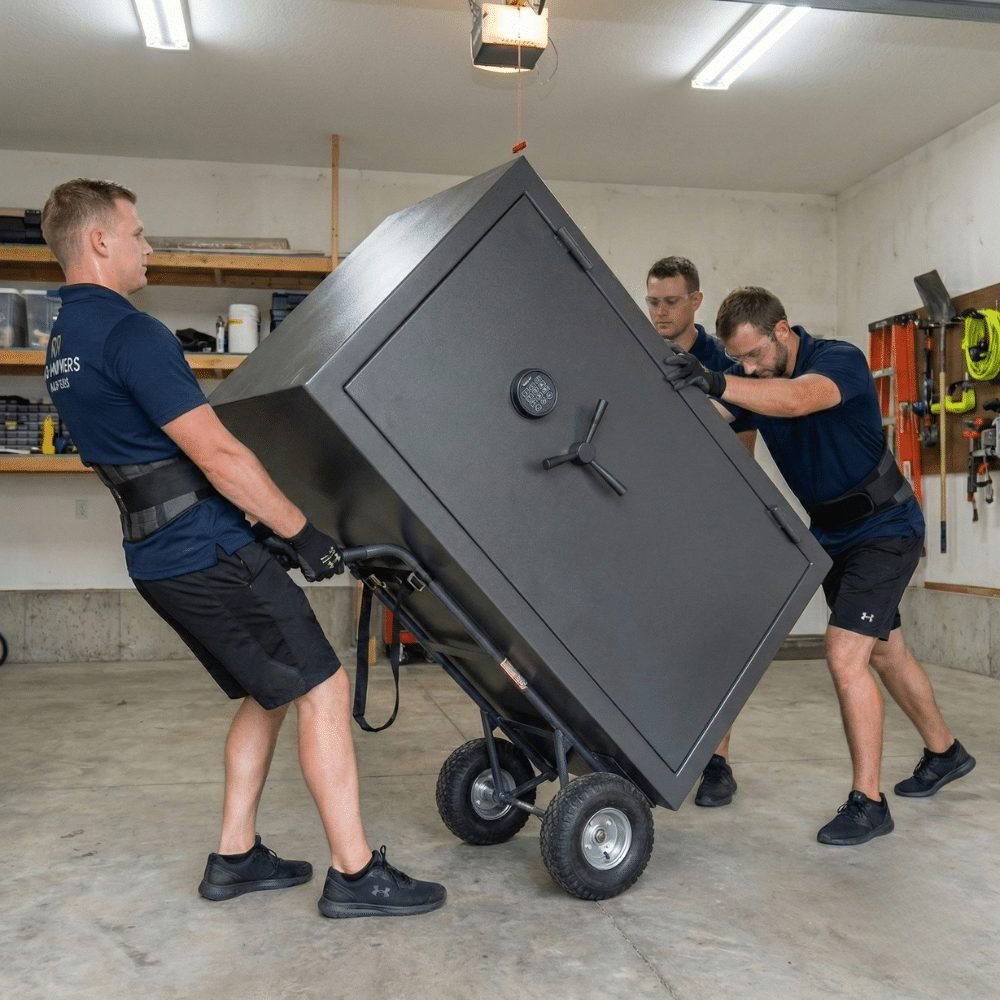
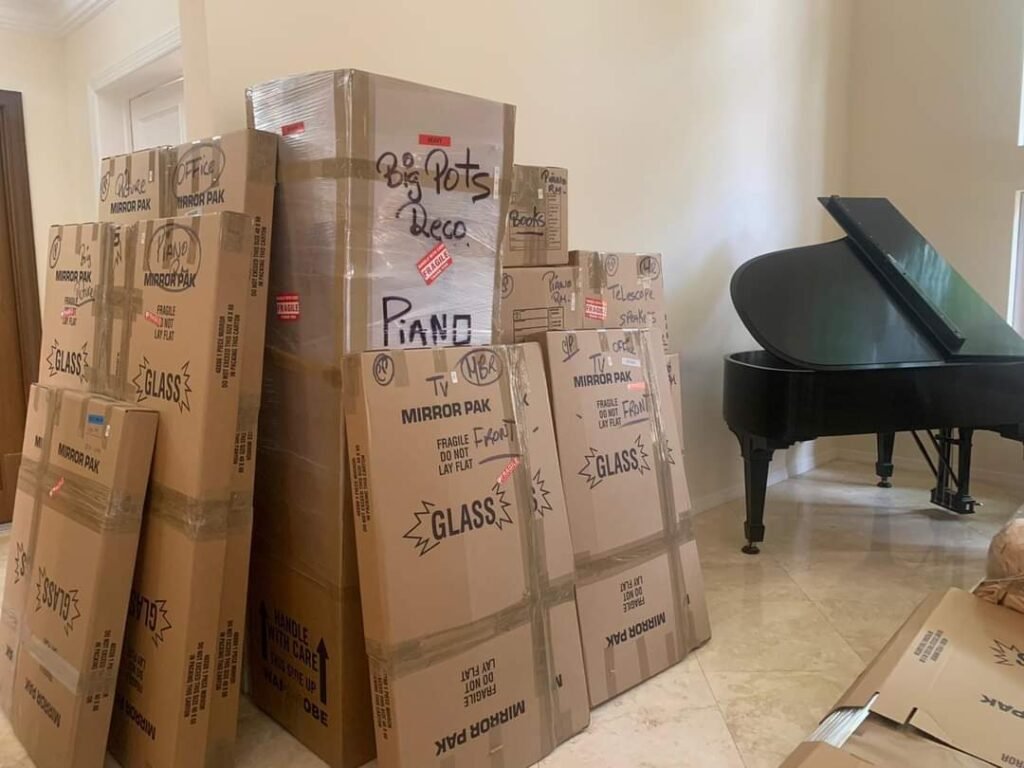
Items like pianos, safes, firearms, and antiques require specialized moving services. Budget additional costs: pianos typically cost $1,500-$3,000 to move, safes $500-$2,000, and antiques require white-glove service at $2,000+.
For firearms, follow strict military regulations, they must be transported separately from household goods and comply with destination-state laws. Transport valuable art, jewelry, and collectibles yourself rather than including them in household goods shipments, as the military’s liability limits may not cover full replacement cost.
Why ProTouch Mover Is Your Trusted Partner for Military Relocations
Military relocations demand more than standard moving services. They require understanding of DOD regulations, experience with military timelines, and commitment to protecting your belongings through a complex process.
ProTouch Mover brings expertise in full-service moving with the reliability military families depend on. Our expert crews handle every detail of your relocation, from careful packing and furniture moving to specialized services for pianos, safes, and antiques. We understand that military moves operate on tight schedules and can’t accommodate delays. Our commitment to punctuality and protection means your household goods arrive on time and in the condition you expect.
For military families, ProTouch Mover offers transparent pricing with no surprise final bills, full-service solutions that eliminate the stress of coordinating multiple vendors, and specialized experience with military moving requirements.
Frequently Asked Questions
What is a DITY move and how does reimbursement work?
A DITY (Do-It-Yourself) move, also called a Personally Procured Move (PPM), allows active duty service members to arrange and pay for their own relocation instead of using military movers. You cover moving costs upfront and then submit receipts and documentation to your Transportation office for reimbursement. The military reimburses you based on the weight allowance for your rank and duty station, up to a set limit. You keep any difference if your actual costs are lower than the allowance.
What military moving allowances am I entitled to for my PCS?
Military moving allowances vary by rank, family size, and duty station. Most service members receive a weight allowance for household goods (typically 5,000-18,000 pounds depending on rank), coverage for storage-in-transit (usually up to 90 days), and allowances for temporary lodging and meals during the move. Active duty members may also receive a relocation allowance to cover miscellaneous moving costs. Contact your local Transportation office or Military OneSource to confirm your specific entitlements based on your Permanent Change of Station orders.
How do I choose between DOD-approved movers and a DITY move?
DOD-approved military moving companies handle packing, loading, transportation, and delivery of your household goods, reducing stress but offering less flexibility. A DITY move gives you control over timing and can save money if you move efficiently, but requires more personal effort and planning. Full-service movers are ideal for complex relocations or families with limited time; DITY moves work well for those comfortable managing logistics themselves. Review your weight allowance and moving timeline to decide which approach fits your situation best.
What should I include in my military PCS checklist?
Your military PCS checklist should include: obtaining and reviewing your moving orders, scheduling your move with your Transportation office, gathering required documentation (orders, ID, proof of rank), inventorying household goods to stay within weight limits, arranging pet relocation logistics, filing damage claims within required timeframes if needed, and submitting all receipts and forms for reimbursement. Also notify utilities, update your address with the military, and arrange temporary lodging if necessary. Keep copies of all paperwork for your records.
Military PCS moves are complex, but understanding your options, entitlements, and potential pitfalls puts you in control. Whether you choose a full-service mover, a DITY move, or a hybrid approach, the key is meticulous planning and documentation. Get your free moving quote from ProTouch Mover today and let our expert team handle the logistics while you focus on your family’s transition to your new duty station.
This article was written using GrandRanker