
Table of Contents
- Moving Company Insurance vs Valuation Coverage: What’s the Difference?
- Understanding Released Value Protection
- Full Value Protection: Comprehensive Coverage Explained
- Third-Party Moving Insurance: Beyond Standard Valuation
- Filing a Moving Damage Claim: What You Need to Know
- Comparison: Moving Company Insurance vs Valuation Coverage at a Glance
- Choosing the Right Coverage for Your Situation
- Key Takeaways and Next Steps
Last Updated: July 28, 2026
Moving Company Insurance vs Valuation Coverage: What’s the Difference?
Understanding the distinction between moving company insurance vs valuation coverage is critical before your next move. When a couch worth $3,000 gets damaged during transit, released value protection might pay you $60 based on weight alone. Full value protection covers actual replacement cost.
Most movers include released value protection automatically at no additional cost, but many customers assume that’s sufficient. The federal standard for interstate moves caps basic liability at $0.60 per pound per article, a limitation that protects the moving company far more than it protects you. Understanding what you’re actually covered for, what gaps exist, and when third-party insurance makes sense can save you thousands in uncompensated losses.
The most expensive mistake is assuming your homeowner’s or renter’s insurance covers moving damage. Most policies explicitly exclude transit damage. Check your policy now, don’t wait until [moving day](/blog/apartment-moving-what-to-do-before-during-and-after-moving-day/).
Understanding Released Value Protection
Released value protection is the baseline liability coverage automatically provided by interstate moving companies. It’s federally mandated, costs nothing extra, and covers almost nothing of real value. According to the Federal Motor Carrier Safety Administration (FMCSA), this protection limits mover liability to $0.60 per pound per article, calculated by weight rather than actual value.
Here’s what that means in practice: a 50-pound antique dresser worth $2,500 is covered for $30. A lightweight flat-screen TV worth $800 is covered for roughly $12. The weight-based model made sense in 1980 when goods were heavier relative to cost. Today, it’s a relic that penalizes customers with valuable, lightweight items.
How the $0.60 Per-Pound Limit Works
The calculation is straightforward but devastating. The mover measures the weight of each damaged item, multiplies by $0.60, and that’s your maximum recovery. A leather sofa weighing 100 pounds that costs $4,000 new generates a $60 claim payout. The weight-based formula ignores what items actually cost to replace.
When Released Value Protection May Be Sufficient
Released value protection works adequately only in narrow scenarios: moving primarily used furniture with minimal monetary value and having comprehensive homeowner’s or renter’s insurance that covers moving damage (verify this first). Most households contain items worth significantly more than their weight would suggest. Electronics, artwork, antiques, and heirloom pieces are particularly vulnerable under weight-based calculations.
Released value protection explicitly excludes “articles of extraordinary value”, items over $100 per pound. Jewelry, artwork, and collectibles aren’t covered unless you list them separately and pay additional fees.
Full Value Protection: Comprehensive Coverage Explained
Full value protection shifts liability from the mover to you. Under this coverage type, the mover is responsible for repairing, replacing, or providing cash settlement for lost or damaged items at their actual cash value or replacement cost. This is fundamentally different from released value protection because it’s based on what items cost to replace, not what they weigh.
According to the FMCSA, full value protection is optional and comes at additional cost, typically calculated as a percentage of your declared shipment value or a flat per-pound rate. This coverage eliminates the weight-based liability ceiling and instead ties compensation directly to replacement value.
How Replacement Value Coverage Protects Your Belongings
Full value protection operates on the principle that the mover is liable for making you whole. If your $3,000 dining table is damaged beyond repair, they pay for replacement. However, most policies include deductibles, typically $500 or higher per claim. Movers also commonly exclude items in original cartons, items you pack yourself, and items damaged due to "inherent vice" (natural deterioration unrelated to moving). The claims process typically takes 30-90 days and requires documentation of value.
Cost Considerations and Deductibles
Full value protection typically costs between 1% and 2% of your declared shipment value, though some movers charge a flat per-pound rate ranging from $6 to $12 per pound. For a $50,000 move, expect to pay $500-$1,000 for full value protection. Deductibles usually start at $500 and can reach $1,000 or higher depending on the policy and mover.
Third-Party Moving Insurance: Beyond Standard Valuation
Third-party moving insurance, offered by companies like MovingInsurance.com and Baker International, provides coverage independent of your mover’s liability options. These policies are underwritten by insurance carriers and often include broader protections than mover valuation coverage alone. They cover perils that movers typically exclude: natural disasters, theft during storage, and damage from circumstances outside the mover’s direct control.
All-Risk Coverage and Additional Protections
All-risk moving insurance protects against a broader spectrum of events than standard mover liability. It covers damage from accidents, natural disasters, theft, and vandalism. If your shipment is damaged in a truck accident, stolen from a storage facility, or destroyed by a weather event, all-risk coverage responds. Mover liability would not, since the mover didn’t cause the damage.
The coverage typically includes in-transit protection, storage protection, and sometimes coverage for items in your old or new home during the moving period. Deductibles range from $250 to $1,000, and coverage costs approximately 1% to 5% of declared value depending on the policy and deductible selected.
When to Choose Third-Party Insurance Over Mover Liability
Choose third-party insurance when your move includes items you cannot afford to lose uncompensated, when you’re moving to a high-risk area, or when your shipment will be stored for extended periods. Third-party insurance is also preferable if you’re moving with a carrier that has limited liability options or if you want coverage that doesn’t depend on proving the mover’s negligence.
Third-party insurance is worth considering anytime your move includes items that would create genuine financial hardship if lost or damaged. It’s not about being cautious, it’s about protecting against scenarios that released value protection explicitly doesn’t cover.
Filing a Moving Damage Claim: What You Need to Know
Regardless of which coverage type you choose, the claims process determines whether you actually recover anything. Both mover liability claims and third-party insurance claims require documentation, timely filing, and often negotiation over replacement value.
Documentation and Claim Timelines
Document everything from the start. Take photographs of items before packing, keep receipts and proof of value, and photograph any damage immediately upon delivery. Do not discard damaged items; insurers and movers will require inspection. Most movers require damage claims to be filed within 9 months of delivery, though some require notice within 30 days. Third-party insurance policies typically allow 90 days to file.
Include photographs of damage, the original receipt or proof of purchase, a professional estimate for repair or replacement, and your policy or coverage details. For high-value items, obtain written estimates from multiple vendors to establish reasonable replacement cost. The claims process typically takes 30-90 days for resolution.
Common Claim Denials and How to Avoid Them
Claims are denied most often for three reasons: failure to document damage promptly, missing filing deadlines, or insufficient proof of value. Photograph damage within 48 hours of delivery. If you wait weeks, the mover will argue the damage occurred after delivery.
Second, movers frequently deny claims for items you packed yourself if they offered packing services. Full value protection typically excludes self-packed items because movers argue they can’t verify how items were packed. Third, claims are denied when replacement cost estimates are deemed excessive. Research current market prices for comparable items before filing your claim.
Comparison: Moving Company Insurance vs Valuation Coverage at a Glance
| Coverage Type | Cost | Coverage Limit | Claim Process | Best For |
|---|---|---|---|---|
| Released Value Protection | Free (included) | $0.60 per pound | 30-90 days; requires documentation | Low-value moves; used furniture |
| Full Value Protection | 1-2% of declared value | Replacement value minus deductible | 30-90 days; mover determines replacement cost | Valuable household goods; standard moves |
| Third-Party Insurance | 1-5% of declared value | Declared value minus deductible | 30-90 days; independent adjuster | High-value moves; specialty items; extended storage |
Released value protection is automatic but inadequate for most households. Full value protection through your mover is straightforward and covers damage caused by the mover’s negligence. Third-party insurance provides the broadest protection, covering damage regardless of cause, but requires additional premium.
The choice depends on three factors: the total value of your shipment, the presence of high-value or irreplaceable items, and your risk tolerance.
Choosing the Right Coverage for Your Situation
The right coverage type depends on what you’re moving and what you can afford to lose uncompensated.
High-Value Items and Specialty Goods
If your move includes items worth more than a few thousand dollars, or if you have irreplaceable pieces, family heirlooms, artwork, antiques, collectibles, or high-end electronics, full value protection is the minimum acceptable coverage. For items of exceptional value, consider third-party insurance in addition to full value protection through your mover. The cost of comprehensive coverage for a high-value move is typically 2-5% of shipment value. For a $100,000 move with significant valuables, paying $2,000-$5,000 for full protection is reasonable insurance against losing $50,000 or more uncompensated.
Budget-Conscious Moves and Lower-Value Shipments
If you’re moving primarily used furniture, basic household items, and replaceable goods totaling under $15,000, released value protection may be acceptable if you have homeowner’s or renter’s insurance that covers moving damage. Verify this coverage exists before relying on it. For budget-conscious moves, full value protection typically costs $150-$300, which is affordable protection relative to the value at stake.
Peace of Mind: When to Invest in Extra Protection
Some customers simply prefer comprehensive coverage regardless of shipment value. This is particularly true for long-distance or international moves, moves involving extended storage, or situations where you’re moving with a carrier you haven’t used before. If you’re moving during high-risk periods (hurricane season in coastal areas, winter weather in northern regions), third-party insurance covering weather-related damage becomes more valuable.
Call your homeowner’s or renter’s insurance agent before your move and explicitly ask whether moving damage is covered. Get the answer in writing. This single conversation prevents expensive surprises later.
Key Takeaways and Next Steps
The distinction between moving company insurance vs valuation coverage is fundamental to protecting your belongings. Released value protection, while free, is inadequate for most moves because it compensates based on weight rather than replacement value. Full value protection shifts liability to the mover and covers actual replacement cost, making it suitable for most household moves. Third-party insurance provides the broadest protection, covering damage regardless of cause.
Your decision should be based on three factors: the total value of items you’re moving, whether you have high-value or irreplaceable pieces, and your personal risk tolerance.
Document everything before your move begins. Photograph items, keep receipts, and maintain detailed inventory records. File damage claims promptly; missing deadlines forfeits your right to recovery. Request written estimates for repairs or replacement, and research current market prices rather than relying on original purchase cost.
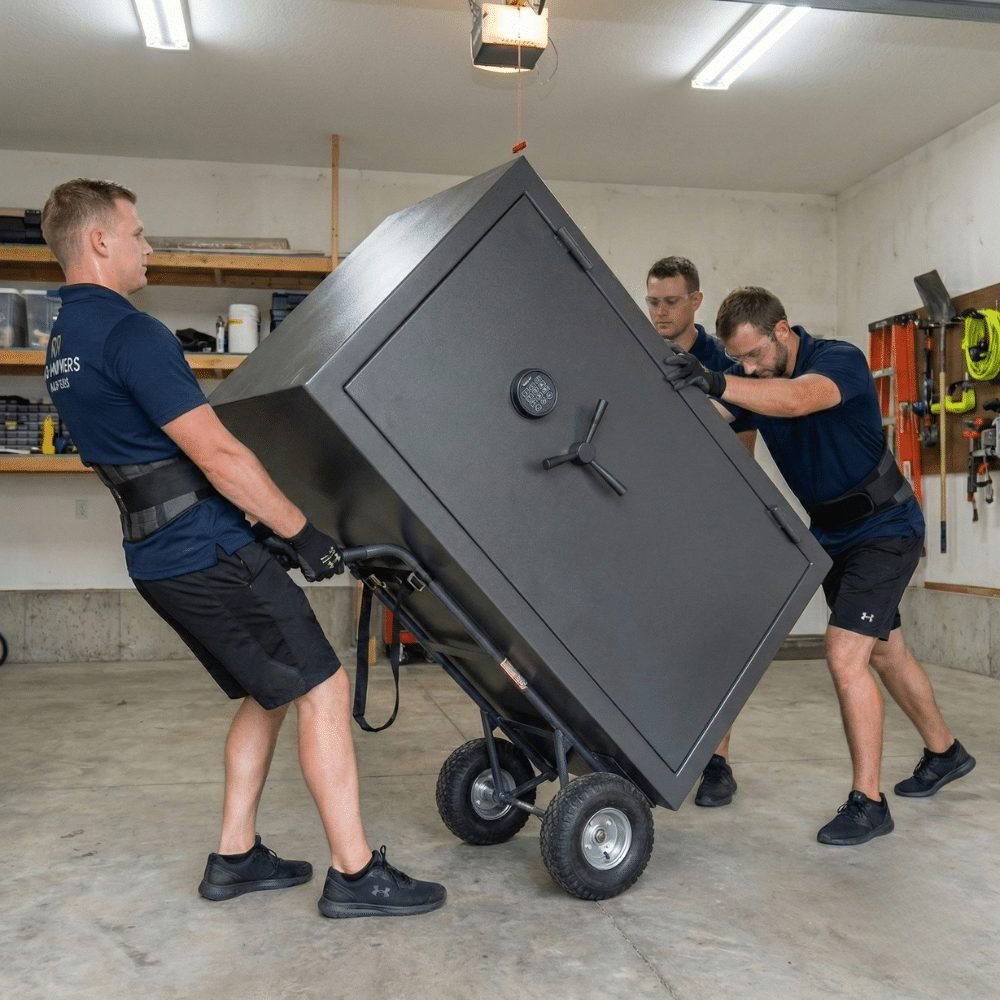
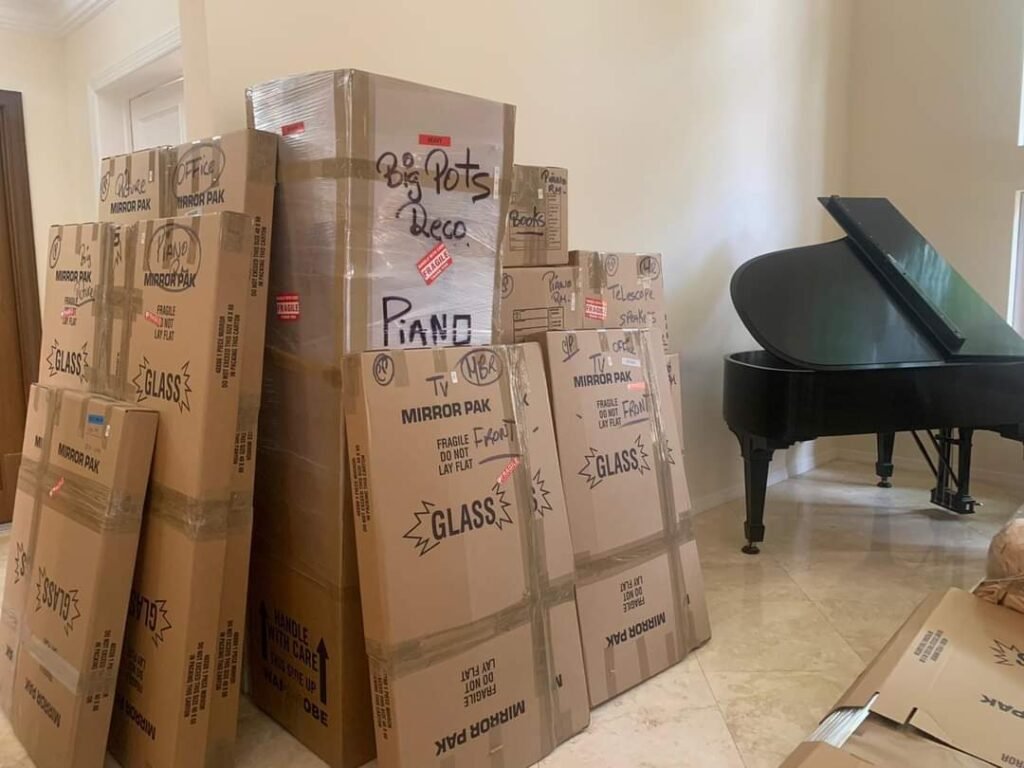
When you’re ready to move, ProTouch Mover can help you evaluate which coverage type makes sense for your specific situation. Our expert crews handle every detail of your relocation, from careful packing and furniture moving to specialized services for pianos, safes, and antiques. We’re committed to protecting your belongings and ensuring your move is completed efficiently and without delays. Learn more about moving insurance options from the Federal Motor Carrier Safety Administration to understand your rights and protections under federal regulations.
Get your free moving quote today and discuss coverage options with our team. We’ll help you choose the protection level that matches your actual needs, not just what’s cheapest.
Frequently Asked Questions
Is valuation coverage the same as moving company insurance?
No. Valuation coverage refers to the liability limits a moving company assumes for your belongings, either released value protection ($0.60 per pound) or full value protection (replacement cost). Moving company insurance is the broader term for all coverage options. Third-party moving insurance is a separate policy you purchase independently, offering broader protection than standard mover liability alone.
What is the difference between released value protection and full value protection?
Released value protection is the federally mandated basic liability included at no cost, limiting the mover's responsibility to $0.60 per pound per article. Full value protection makes the mover liable for the actual replacement value of damaged or lost items, not weight-based compensation. Full value protection comes at an additional cost, typically 1% of declared value or $6-$12 per pound, but provides significantly more comprehensive coverage for valuable belongings.
When should I consider third-party moving insurance instead of mover valuation coverage?
Third-party moving insurance is worth considering if you're moving high-value items (electronics, antiques, art), have belongings worth more than the mover's full value protection limit, or want coverage for perils like natural disasters that standard mover liability may exclude. It's also useful if you want claims handled by an independent adjuster rather than the moving company itself, providing an additional layer of protection and objectivity.
What information do I need to file a moving damage claim?
Document all damage with photographs and written descriptions taken before the move ends. Keep the bill of lading and inventory list. For released value or full value protection claims, contact your mover's claims department within the required timeframe (typically 30-180 days). For third-party insurance claims, contact the insurance provider directly. Have receipts or proof of value ready, and be prepared to provide repair estimates or replacement cost documentation.
This article was written using GrandRanker