
Table of Contents
- Why Stress Free Moving Tips Matter: Start Planning Early
- Create a Moving Checklist Timeline: Your Roadmap to Success
- Decluttering Tips Before Moving: Reduce Stress by Reducing Stuff
- Packing Strategies and Room-by-Room Organization
- Hiring Professional Movers vs DIY: Know Your Best Option
- Prepare Your Moving Day Essentials Box List
- Managing Utilities, Address Changes, and Logistics
- Mental Health and Emotional Management During Your Move
Stress Free Moving Tips Guide: 7 Essential Strategies
Last Updated: July 14, 2026
Moving ranks among life’s most stressful events. Families juggle logistics, finances, emotional attachments, and physical demands. Without a plan, chaos multiplies exponentially. At ProTouch Mover, we’ve helped thousands of Jacksonville families navigate relocations smoothly, and we’ve learned that the difference between a stressful move and a seamless one comes down to preparation, organization, and realistic expectations.
This guide covers stress free moving tips that reduce anxiety at every stage. We’ll show you how to create a timeline that prevents last-minute scrambling, declutter ruthlessly to cut your workload in half, pack strategically so nothing breaks, and decide whether hiring professional movers saves you money and sanity. Families who follow these steps report lower stress levels, fewer broken items, and faster unpacking.
Why Stress Free Moving Tips Matter: Start Planning Early
Moving triggers both logistical and psychological stress. The physical demands, hauling boxes, coordinating schedules, managing utility transfers, are obvious. What gets overlooked is the emotional weight of leaving a familiar environment and the decision fatigue from sorting through years of accumulated possessions.
Starting early removes the panic. When you begin planning six weeks out, you’re making deliberate choices with time to spare. Research shows that advance planning reduces moving-related anxiety significantly because it transforms a chaotic event into a managed process with clear milestones.
The real cost of waiting until the last minute isn’t just stress, it’s money. Rushed movers pay premium rates for last-minute truck availability. Families end up buying expensive packing supplies instead of sourcing free boxes. Items get damaged because they’re packed carelessly under time pressure.
ProTouch Mover’s experience confirms this pattern: clients who plan ahead report 40% fewer problems on moving day. They know what they’re moving, they’ve arranged logistics in advance, and they’ve mentally prepared for the transition.
The single biggest difference between stressful and smooth moves is starting the planning process 6-8 weeks in advance, not 6-8 days.
Create a Moving Checklist Timeline: Your Roadmap to Success
A moving checklist timeline transforms an overwhelming project into manageable weekly tasks. Rather than thinking "I need to move," you think "This week, I’m calling movers and starting to declutter." The specificity removes decision paralysis and creates momentum.
6 Weeks Before Moving Day
Research and book your moving company, notify your landlord or seller of your move date, and start decluttering. Booking early secures your preferred date and often costs less than last-minute bookings.
Begin measuring doorways and hallways in your new space. Check ceiling heights to ensure furniture fits. Start photographing items of value for insurance documentation. Collect free boxes from grocery stores, liquor stores, and online marketplaces, people give away moving boxes constantly, reducing supply costs to nearly zero.
4 Weeks Before Moving Day
Confirm your moving company details in writing. Submit change-of-address requests with USPS, your bank, insurance companies, and subscription services. Create a spreadsheet of utility providers and their account numbers for efficient scheduling.
Tackle the second wave of decluttering. Sell items online, donate to local charities, or arrange pickup services. Every item you eliminate is one you don’t have to pack, move, or unpack.
2 Weeks Before Moving Day
Gather remaining packing supplies: boxes, tape, bubble wrap, markers. Confirm your moving day appointment. If you’re moving yourself, reserve your truck now. Notify your employer, schools, and important contacts of your move date.
Start packing non-essential items: off-season clothing, books, decorative items. Label boxes clearly with room destination and contents. Consume perishable food from your freezer and pantry.
Moving Day and After
Do a final walkthrough of your old space. Check closets, cabinets, drawers, and storage areas. Take meter readings for utilities and photos of the empty space for your security deposit records. Keep important documents, medications, and valuables with you rather than on the moving truck.
After arrival, do a walkthrough with the moving company or helpers. Check that all boxes arrived and photograph any damage to the space. Prioritize unpacking the essentials box first. Unpack room by room rather than randomly grabbing boxes.
Create a “moving day kit” with snacks, water, phone chargers, basic tools, toilet paper, paper towels, and a change of clothes. You’ll need these items before boxes are unpacked.
Decluttering Tips Before Moving: Reduce Stress by Reducing Stuff
Decluttering before moving is the single most effective way to reduce moving costs, physical labor, and post-move stress. Every item you don’t move is one less thing to pack, transport, unpack, and find space for in your new home.
Start with a brutal assessment: have you used this item in the past year? If not, it’s a candidate for elimination. Use the four-box method for each room: keep, donate, sell, and trash. Be honest about each category. Items you’re keeping should either be functional or genuinely bring you joy.
Selling items online through Facebook Marketplace or OfferUp generates cash that offsets moving expenses. Donation generates tax deductions and helps others. The psychological benefit extends beyond moving: entering a new space with fewer possessions feels lighter, and you’re not recreating the clutter patterns of your old home.
A common mistake is keeping items “just in case” you might need them someday. If you haven’t used it in a year, the likelihood of needing it in the future is low. Trust that you can replace items if necessary.
Packing Strategies and Room-by-Room Organization
Strategic packing prevents damage, speeds unpacking, and reduces the mental burden of not knowing where things are.
Gather Your Packing Supplies
Quality packing supplies prevent damage and make the process faster. You need sturdy boxes in various sizes, packing tape, bubble wrap for fragile items, packing paper for cushioning, and permanent markers for labeling.
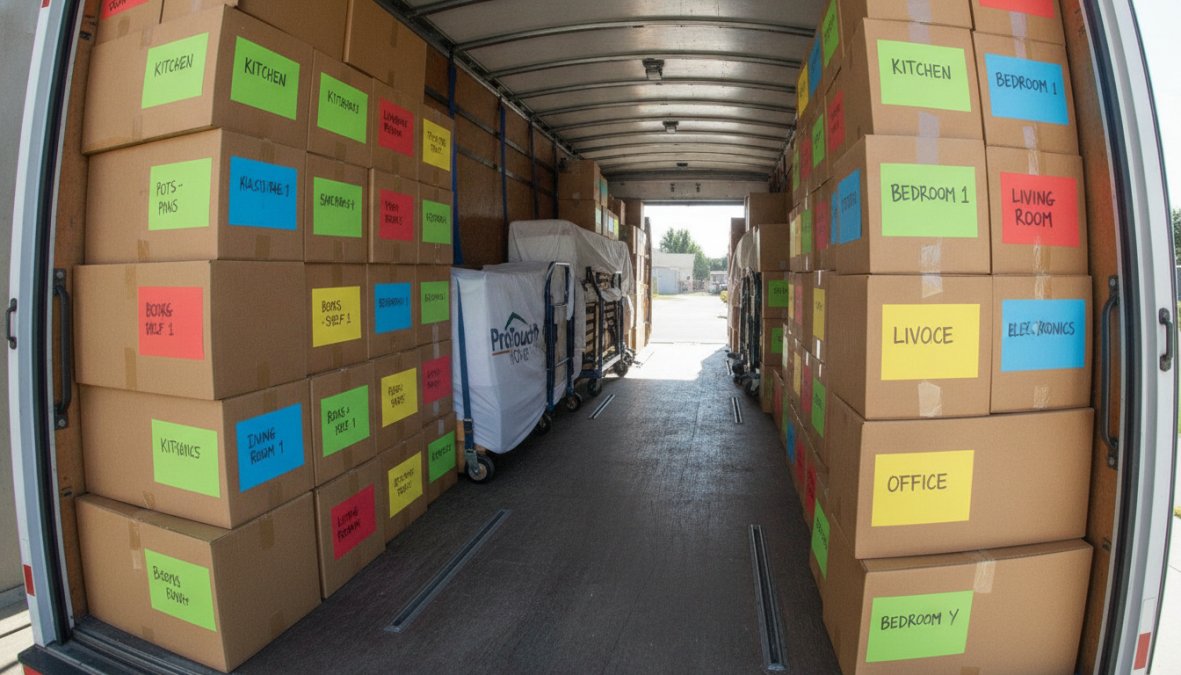
Free boxes from grocery stores, bookstores, and online marketplaces reduce costs significantly. Produce boxes are ideal for lighter items like books. Liquor stores provide sturdy boxes with dividers perfect for glasses and dishes.
Pack Room by Room with a Labeling System
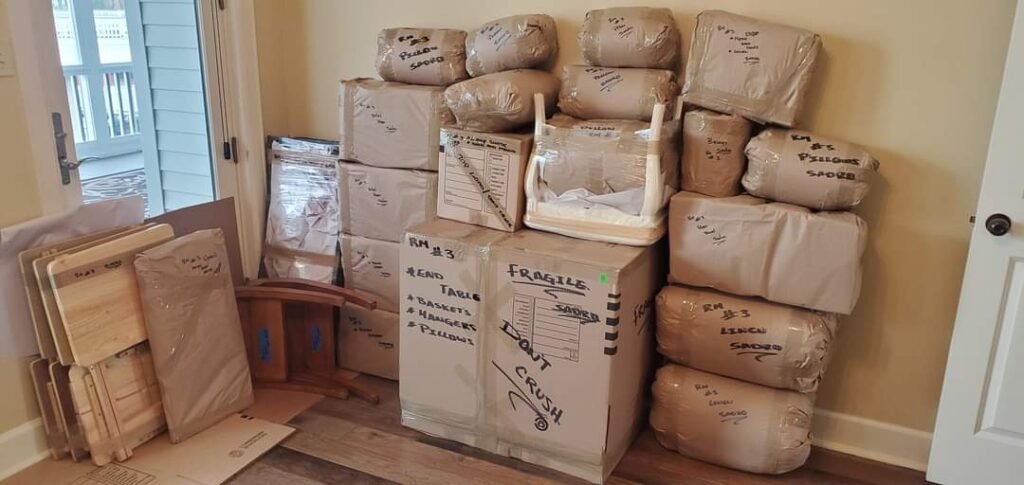
Pack one room at a time. This prevents chaos and makes unpacking logical. Your labeling system should include the room destination and contents. "Kitchen, Pots and Pans" is more useful than "Box 47." Use color-coded markers or stickers for quick visual identification.
Number your boxes sequentially and maintain a master inventory list. This prevents the panic of not knowing whether a specific item made it onto the truck.
Handle Fragile Items and Special Belongings
Wrap dishes individually in packing paper. Stack wrapped dishes vertically rather than flat to distribute pressure more evenly. Use towels, linens, and clothing as cushioning instead of buying extra bubble wrap.
For items with sentimental or monetary value, consider transporting them yourself rather than putting them on the moving truck. Irreplaceable photos, important documents, jewelry, and heirlooms are safer in your car where you control handling.
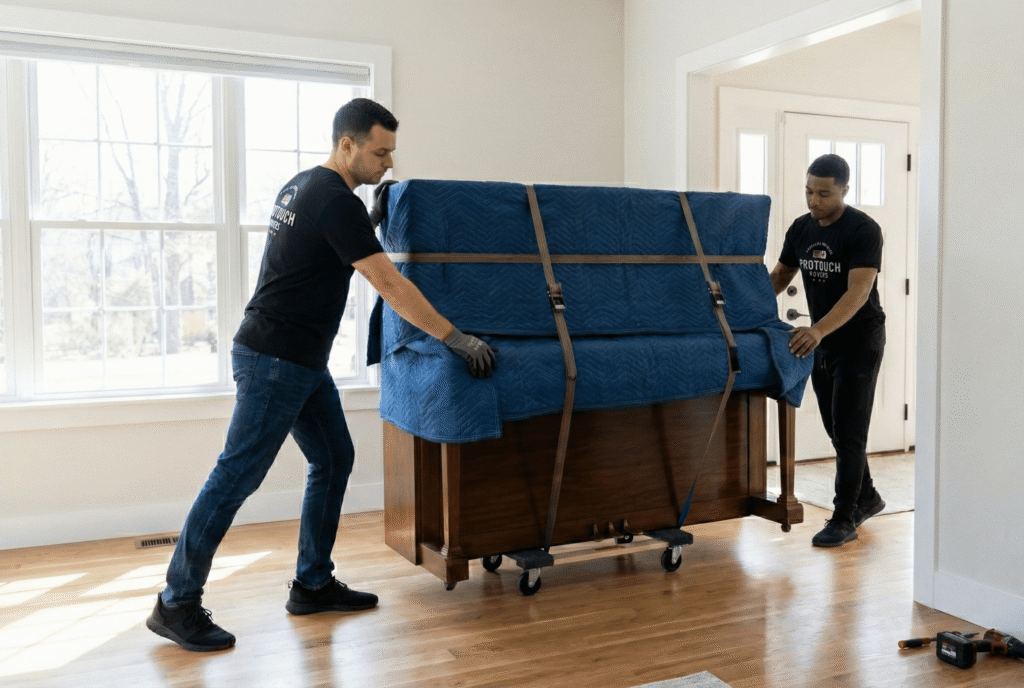
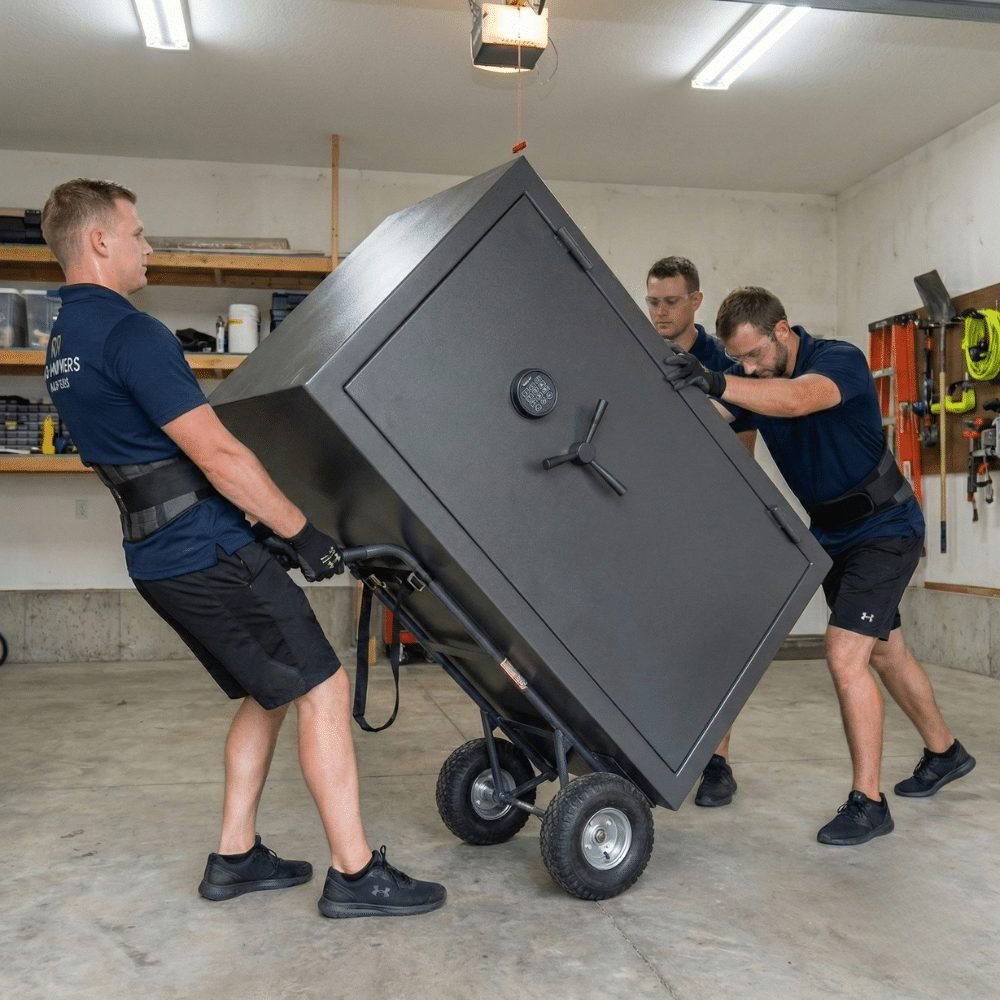
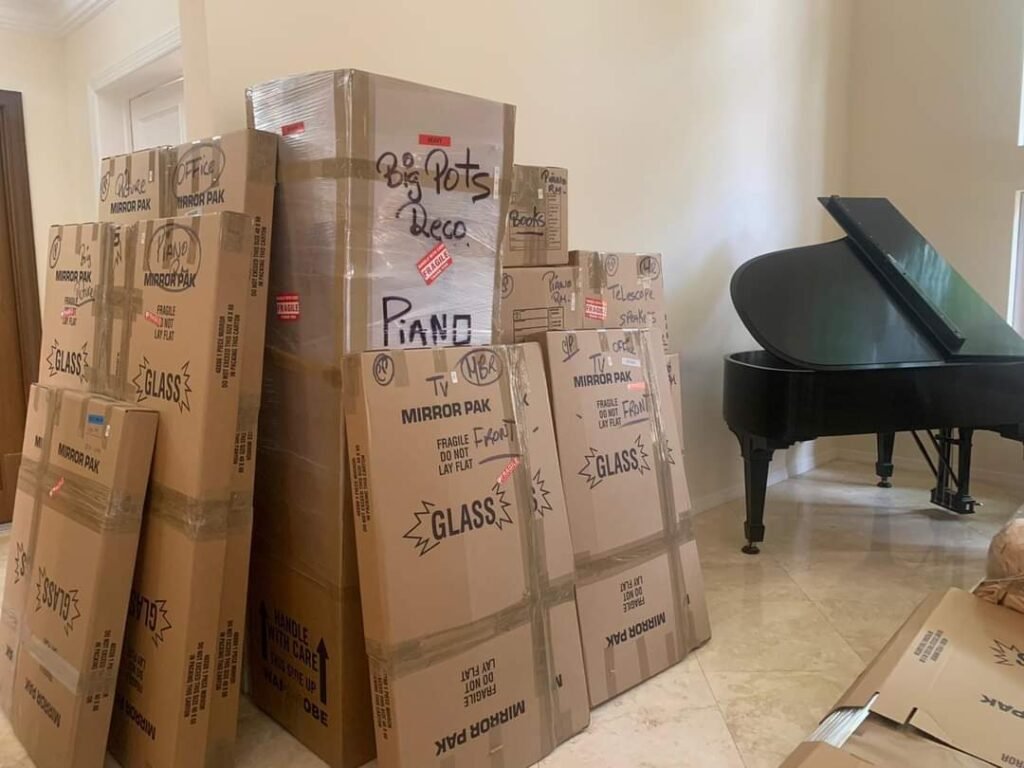
Specialty items like pianos, safes, or antiques require specialized moving services. ProTouch Mover offers specialized moving for these items. Booking these services in advance ensures proper equipment and trained crews.
Pack a “first night box” with essentials: toiletries, medications, phone chargers, a change of clothes, basic tools, toilet paper, paper towels, snacks, and water. This box gets unloaded first.
Hiring Professional Movers vs DIY: Know Your Best Option
The decision between hiring professional movers and moving yourself hinges on budget, timeline, physical capability, and stress tolerance.
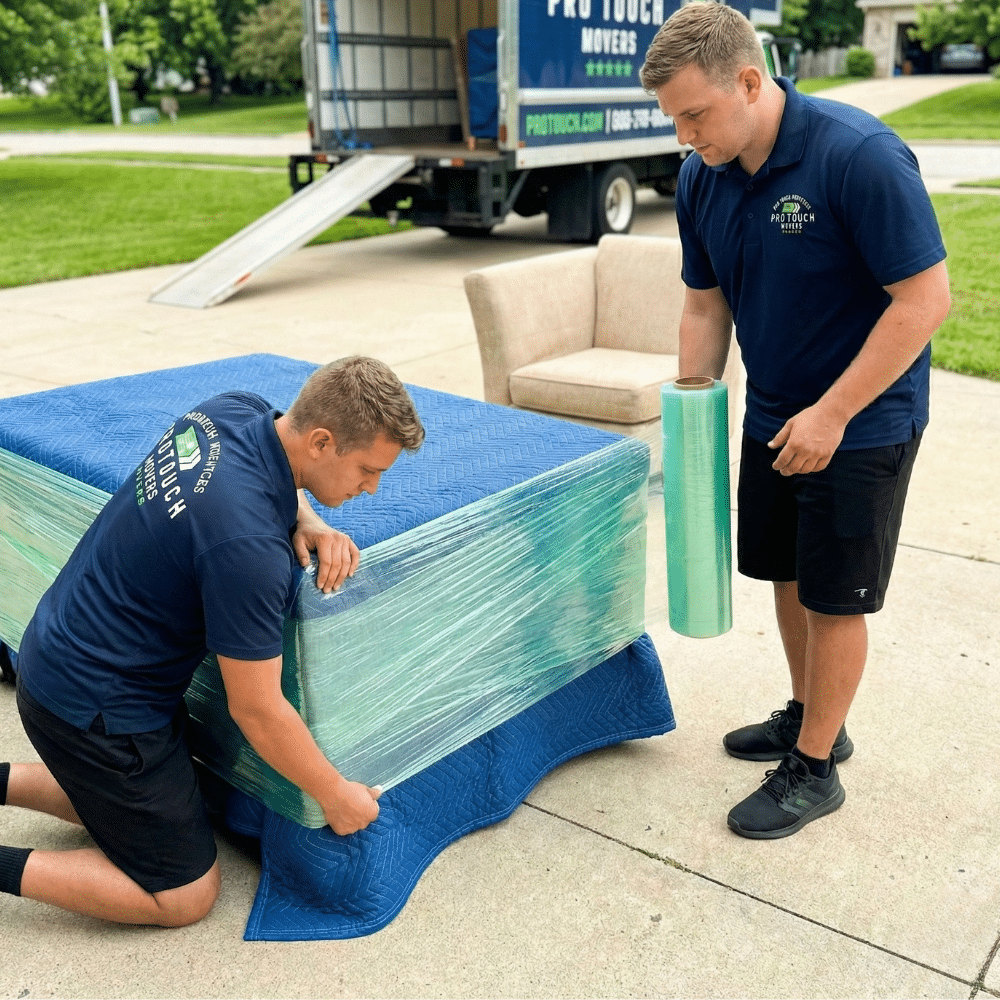
Professional movers handle the physical labor, provide equipment like dollies and furniture pads, and carry insurance that protects your belongings. They work efficiently because moving is their expertise. The cost is real, but it buys time and reduces injury risk.
DIY moving saves money upfront but demands more from you. You’re responsible for renting a truck, recruiting helpers, packing everything, and managing the physical labor. The hidden costs often surprise people: truck rental, fuel, equipment rental, packing supplies, and pizza for helpers add up quickly.
Consider your timeline as well. Professional movers complete moves in one day. DIY moves often stretch across multiple days because you’re coordinating helpers’ schedules and working at a slower pace.
For most people, hiring professionals is the stress-free moving tips approach. The cost is offset by speed, safety, and the psychological benefit of not doing the heavy lifting yourself. ProTouch Mover offers transparent pricing and full-service options. Get your free moving quote to compare costs against DIY alternatives.
Professional movers typically cost 20-40% more than DIY moves, but they save time, reduce injury risk, and provide insurance protection. For most people, the investment is worth the stress reduction alone.
Prepare Your Moving Day Essentials Box List
Your moving day essentials box list is the most important packing decision you’ll make. This box arrives first and gets unpacked first.
Include toiletries: toothbrush, toothpaste, deodorant, medications, glasses or contacts, and any prescription items. Include a change of clothes and comfortable shoes. Include phone chargers and cables. Include basic tools: hammer, screwdriver, box cutter, flashlight, and batteries. Include toilet paper, paper towels, and basic cleaning supplies. Include snacks and water. Include bedding and pillows so you can sleep on your first night.
Include important documents: lease agreements, utility account numbers, moving company receipts, and insurance information. Include a first aid kit and any specialized medical equipment. Include pet supplies if you have animals.
Keep this box with you rather than on the moving truck. When you arrive at your new home, open this box first.
| Item Category | Specific Items | Priority |
|---|---|---|
| Toiletries | Toothbrush, medications, deodorant, glasses | Critical |
| Clothing | Change of clothes, comfortable shoes | Critical |
| Electronics | Phone chargers, cables, laptop | Critical |
| Tools | Hammer, screwdriver, box cutter, flashlight | High |
| Cleaning | Toilet paper, paper towels, basic cleaners | High |
| Bedding | Sheets, pillows, blanket | High |
| Documents | Lease, utility info, receipts, insurance | High |
| Food | Snacks, water, basic groceries | Medium |
Managing Utilities, Address Changes, and Logistics
Utility transfers and address changes are critical. Forgetting these creates problems weeks after you move: mail doesn’t arrive, utilities aren’t active, or you’re billed at your old address.
Create a utilities checklist with contact information for your current providers: electric, gas, water, internet, phone, and subscription services. Call each provider 2-3 weeks before your move date to schedule disconnection at your old address and connection at your new address.
Request final meter readings at your old address. Take photos of meter readings yourself as backup documentation. Provide forwarding addresses so you receive final statements and deposits.
Submit your address change with USPS immediately. Update your address with your bank, insurance companies, employer, subscription services, and government agencies. Contact your new utility providers before moving day to confirm connection appointments. Internet service is particularly important to arrange in advance.
A frequent mistake is assuming utilities will transfer automatically or that your address change with USPS handles everything. Each provider requires separate notification. Create a checklist and check off each provider as you contact them.
Mental Health and Emotional Management During Your Move
Moving isn’t just a physical process, it’s an emotional one. You’re leaving a space where you’ve built memories, routines, and community. You’re entering uncertainty about a new environment.
Recognize that moving anxiety is normal and valid. You’re experiencing loss even if you’re excited about your new home. Acknowledge both feelings simultaneously: grief about leaving and excitement about what’s ahead.
Involve family members in the process rather than isolating them from moving stress. Children particularly benefit from understanding what’s happening and having roles in the move. Let them pack their own boxes, choose which items to donate, and decorate their new room.
Create moving-day rituals that honor the transition. Take a final photo in your old home. Write a goodbye note to the space. These small ceremonies acknowledge that you’re leaving one chapter and beginning another.
After you move, resist the urge to recreate your old space exactly. Your new environment is an opportunity to make intentional choices about how you want to live. Unpack slowly and give yourself permission to change things.
If moving triggers significant anxiety, depression, or other mental health concerns, reach out to a therapist or counselor. Moving is a major life stressor, and professional support is appropriate and helpful.
The emotional toll of moving is as real as the physical demands. Acknowledging your feelings, involving family, and creating rituals help you process the transition and build excitement about your new home.
Moving doesn’t have to be the chaotic, stressful experience that most people dread. The stress free moving tips approach, starting early, organizing systematically, and addressing both logistics and emotions, transforms moving into a manageable process.
ProTouch Mover specializes in stress-free relocations throughout Jacksonville and surrounding areas. Our expert crews handle packing, furniture moving, and specialized services for pianos, safes, and antiques. We manage every detail so you don’t have to, ensuring your belongings arrive safely and on schedule. Get your free moving quote today.
Frequently Asked Questions
How can I make moving less stressful?
Implement stress free moving tips by starting early with a moving checklist timeline at least 6 weeks before your move. Break tasks into manageable phases, declutter before packing, and consider hiring professional movers to handle heavy lifting. Create an essentials box with items you'll need immediately, and practice self-care throughout the process. Managing expectations and building in buffer time for unexpected issues also reduces anxiety significantly.
What should I pack in my moving day essentials box?
Your moving day essentials box list should include toiletries, medications, phone chargers, important documents, a change of clothes, basic tools, snacks, and comfort items. Pack a first-aid kit, pet supplies if needed, and any items you'll need before unpacking. Keep this box with you during the move rather than loading it on the moving truck. Label it clearly as 'Open First' to ensure easy access when you arrive at your new home.
How far in advance should I start planning my move?
Begin your moving checklist timeline 6-8 weeks before moving day for optimal organization. This timeline allows you to schedule professional movers, declutter systematically, update your address, and arrange utility transfers without rushing. For local moves, 4-6 weeks may suffice, but long-distance relocations benefit from extended planning. Starting early reduces last-minute stress and gives you time to handle unexpected complications.
Should I hire professional movers or do a DIY move?
Hiring professional movers vs DIY depends on your budget, timeline, and physical capability. Professional movers reduce stress, protect fragile items better, and save time, ideal for long-distance moves or if you have valuable belongings. DIY moves cost less but require more physical effort and planning. Consider a hybrid approach: hire professionals for heavy furniture and boxes while handling smaller items yourself. Get a free moving quote to compare costs before deciding.
What are the best decluttering tips before moving?
Sort belongings into keep, donate, sell, and discard categories at least 4-6 weeks before moving. Decluttering tips before moving include tackling one room at a time, being honest about items you haven't used in a year, and photographing valuable items for selling. This reduces moving costs, packing time, and stress. Donate usable items to local charities or sell them online to offset moving expenses and lighten your load significantly.
How do I organize packing and create an effective labeling system?
Use a color-coded labeling system with markers or stickers for each room, then add item descriptions on every box. Number your boxes and maintain a written or digital inventory list. Pack room-by-room to keep items organized, and clearly mark boxes containing fragile items with 'FRAGILE' labels. Use packing tape to seal boxes securely and label the top and sides for easy identification. This system prevents lost items and makes unpacking significantly faster.
What moving supplies do I need to gather?
Essential packing supplies include sturdy moving boxes in various sizes, packing tape, bubble wrap, packing paper, and markers for labeling. Gather specialty boxes for dishes, wardrobe boxes for clothes, and mattress bags for protection. Don't forget dolly rentals, furniture pads, and rope or straps for securing items in the moving truck. Calculate quantities based on your home's size and inventory to avoid last-minute shopping trips that increase stress.
This article was written using GrandRanker